A potential complement tells you whether an action can or can’t be done. Just put 得 de (can) or 不 bù (can’t) between the verb and its result complement.
一 Result vs. Potential
A result complement tells you what actually happened (a fact). A potential complement tells you whether it’s possible, whether or not it has happened.
Result complement · fact
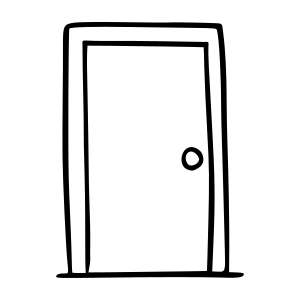
門门打開开了
The door is open.
打開了 dǎkāi le打开了 dǎkāi le confirms the door is open.
門门沒没打開开
The door didn’t open.
沒打開 méi dǎkāi没打开 méi dǎkāi confirms it is not open.
Potential complement · possibility
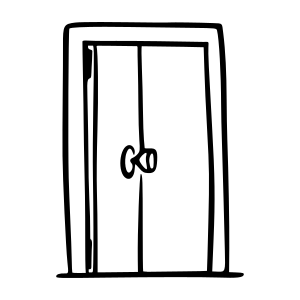
門门打得開开
The door can be opened.
It’s possible to open it, whether it’s open right now or not.
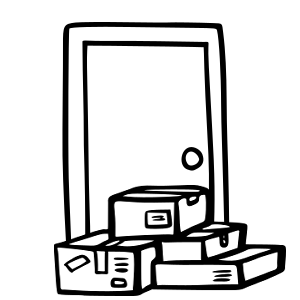
門门打不不開开
The door can’t be opened.
However hard the person tries, they can’t open it.
二 How It’s Built
Verb
得 / 不
Result complement
Meaning
聽听listen
得
清楚清楚clear
聽听得清楚清楚can hear clearly
洗wash
不不
乾淨干净clean
洗不不乾淨干净can’t get it clean
吃eat
不不
完finish
吃不不完can’t finish eating
三 Able to: V + 得 + RC
V + 得 + Result Complement
The object can go after the complement, or at the beginning of the sentence as the topic.
A:你看得到我嗎吗?
Can you see me?
B:我看得到
I can see you.
台灣人台湾人說说的話话你聽听得懂嗎吗?
Do you understand what Taiwanese people say?
別别擔心担心,這这件衣服衣服洗得乾淨干净
Don’t worry, these clothes will come clean.
你點点這麼这么多菜,吃得完嗎吗?
You ordered so many dishes. Can you finish them?
你點点這麼这么少菜,吃得飽饱嗎吗?
You ordered so few dishes. Will you be full?
Asking a questionYou can also ask with positive + negative: 你聽听得懂聽听不不懂?
I have too much homework. I really can’t finish it.
我抓不不到冰箱上面上面的貓猫
I can’t reach the cat on top of the fridge.
五 能 / 可以 vs. Potential Complement
Can you just use 能 néng or 可以 kěyǐ instead? Yes and no. People will understand you, but 能 and 可以 have several meanings, including “be allowed to.” A potential complement is clearer. For example, 我不能看到 could mean either picture:
A 我看不不到
I’m unable to see (it’s blocked or too far).
B 我不能看
I’m not allowed to look.
六 Common Mistakes
❌ 我聽听得不懂
✅ 我聽听不不懂
“Can’t” replaces 得 de with 不. Don’t use both.
❌ 我不聽听得懂
✅ 我聽听不不懂
不 goes between the verb and the complement, not before the verb.
七 Practice
Tap the words below in the right order to build the sentence, then check your answer. If it’s wrong, you can try again as many times as you like, or hit “Show answer” if you get stuck. Careful: some tiles are traps and are not needed!
Question 1 of 10
“I don’t understand (what I’m hearing).”
Tap words below to build the sentence
❌ Try Again
我聽听不不懂
Can’t → V + 不 + RC.
“Can you see me?”
Tap words below to build the sentence
❌ Try Again
你看得到我嗎吗?
Can → V + 得 de + RC.
“It’s too loud, I can’t hear clearly.”
Tap words below to build the sentence
❌ Try Again
太吵了,我聽听不不清楚清楚
📢
“You ordered so many dishes. Can you finish them?”
Tap words below to build the sentence
❌ Try Again
你點点這麼这么多菜,吃得完嗎吗?
吃得完 chīdewán = can finish eating.
“Too much homework, I really can’t finish it.”
Tap words below to build the sentence
❌ Try Again
功課作业太多,我真的做不不完
真的 zhēnde goes before the verb.
“I’m sick. I can’t go to class tomorrow.”
Tap words below to build the sentence
❌ Try Again
我病了,明天上不不了課课
V不了 V bù liǎoV不了 V bu liǎo = can’t make it to.
“Don’t worry, these clothes will come clean.”
Tap words below to build the sentence
❌ Try Again
別别擔心担心,這这件衣服衣服洗得乾淨干净
The object comes first as the topic.
“Do you understand what Taiwanese people say?”
Tap words below to build the sentence
❌ Try Again
台灣人台湾人說说的話话你聽听得懂嗎吗?
你聽听得懂台灣人台湾人說说的話话嗎吗? is also correct.
Object first, or after the complement.
“I can’t reach the cat on top of the fridge.”
Tap words below to build the sentence
❌ Try Again
我抓不不到冰箱上面上面的貓猫
冰箱上面上面的貓猫我抓不不到 is also correct.
🐈 too high!
“The characters are too small, I can’t see clearly.”






4 thoughts on “Potential Complement”
Comments are closed.