個 ge & 張 zhāng
English sometimes uses measure words too — “a flock of birds,” “a herd of cows” — but Chinese uses them for almost everything, all the time. Even single, countable nouns need one.
一 What Is a Measure Word?
Whenever a number or a word like “this/that” comes before a noun, a measure word has to sit in between them. There are over 200 measure words in Chinese, and most nouns have one they’re normally paired with. See this full list of Chinese measure words for more.
One exception: when a noun is being talked about generically, with no specific quantity in mind, you can skip the measure word entirely.
二 個 ge
个 ge is the single most common measure word in Chinese. It’s sometimes used as a stand-in for other measure words — that’s not technically wrong, but it can make you sound like a kid.
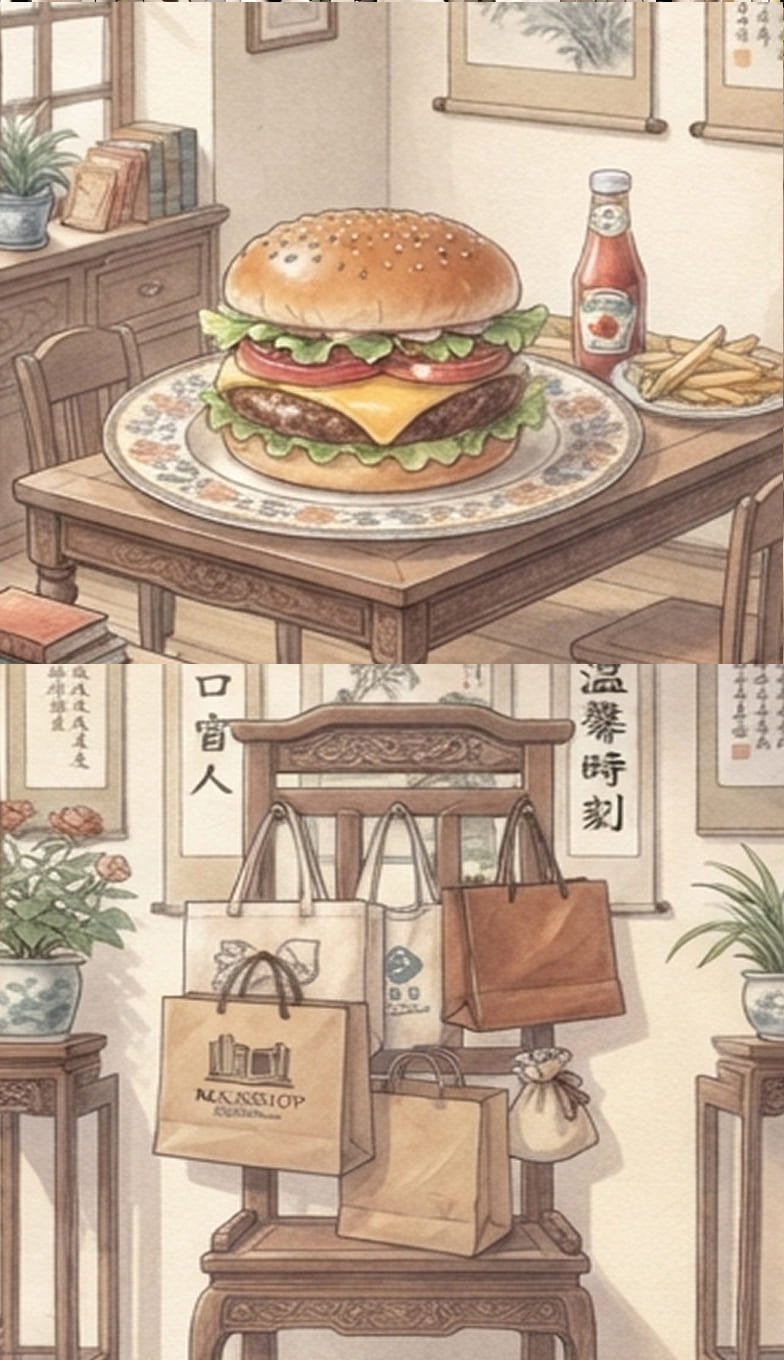
(Notice 汉堡包 hànbǎobāo differ by more than just the character set — Taiwan and the mainland use slightly different words for “hamburger.”)
三 張 zhāng
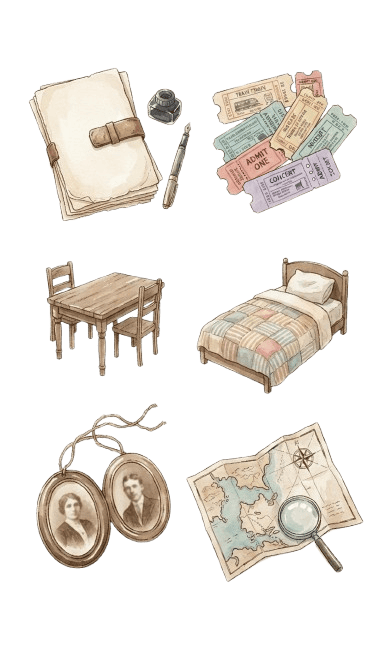
张 zhāng is the measure word for flat objects — a ticket, a sheet of paper, a table, a bed, and so on.
四 Common Mistakes
❌ 一水
✅ 一杯水
A number can’t sit directly next to a noun — a measure word always has to go between them.
❌ 五狗
✅ 五隻只狗
Same rule — even a simple, countable noun like “dog” still needs its measure word.
❌ 一個紙个纸
✅ 一張紙张纸
个 ge works in a pinch, but paper is a flat object, so 张 zhāng is the word a native speaker actually expects.
五 Practice
Pick the correct measure word for each noun.
一____漢堡汉堡包 (a hamburger)
兩两____碗 (two bowls)
一____紙纸 (a piece of paper)
兩两____桌子 (two tables)
三____票 (three tickets)
一____床 (a bed)
一____人 (one person)
兩两____地圖地图 (two maps)
一____蘋果苹果 (an apple)
一____照片 (a photo)

