Skip to content

OneDotDot Chinese

Learn a little Chinese every day

Menu
  • Vocabulary
  • Grammar
  • Resources
  • Practice
  • Shop
Menu

Author: tiffany

Chinese New Year

Posted on February 3, 2025July 27, 2026 by tiffany

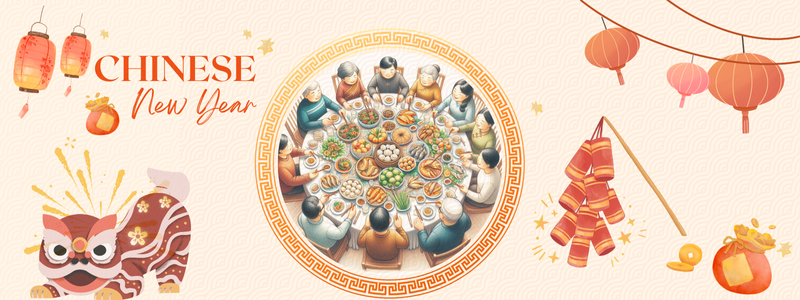
Chinese New Year — OneDotDot Chinese (Part 1) Chinese Festivals · 中國節日中国节日 Chinese New Year 過年过年 guònián 過年过年 guònián is the most important traditional festival in China, celebrated by Chinese communities worldwide — a season of reunion dinners, red envelopes, firecrackers, and fresh beginnings that stretches five to nine days depending on the year. People…
Read more

The Mouse Marries His Daughter 2

Posted on February 2, 2025July 26, 2026 by tiffany

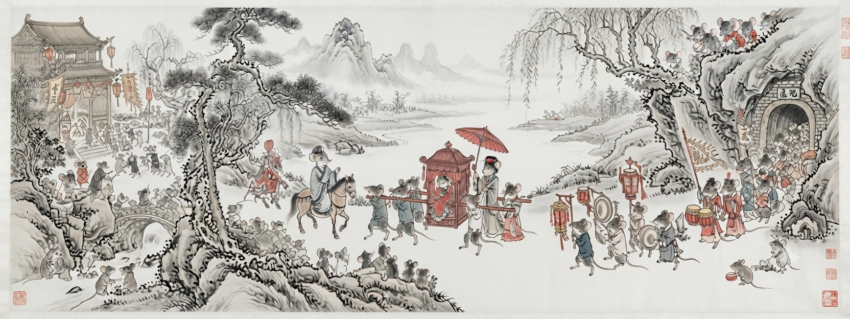
Story · HSK 3+ · Part 2 鼠 The Mouse Marries His Daughter — Part 2 老鼠嫁女兒(下) 老鼠嫁女儿(下) Posted Feb 2, 2025 Author Tiffany Reading time 8 mins “The Mouse Marries His Daughter” is a story for HSK3+ learners. Some stories I share are Chinese folk tales, and some are my own creations. According to…

Read more

The Mouse Marries His Daughter

Posted on February 2, 2025July 26, 2026 by tiffany

Story · HSK 3+ 鼠 The Mouse Marries His Daughter 老鼠嫁女兒 (上)老鼠嫁女儿 (上) Posted Feb 2, 2025 Author Tiffany Reading time 8 mins “The Mouse Marries His Daughter” is a story for HSK3+ learners. Some stories I share are Chinese folk tales, and some are my own creations. According to an old Chinese legend, mice…

Read more

“Thus” in Chinese 1 – 从而 cóng‘ér

Posted on February 1, 2025September 12, 2026 by tiffany

OneDotDot Chinese Grammar · HSK 5 Grammar Point · HSK 5 從而从而 cóng’ér — “Thus” 從而从而 cóng’ér is a formal conjunction used to indicate a cause-and-effect or means-and-result relationship between two clauses. It can be translated as “thus,” “thereby,” or “consequently” in English. 從而从而 cóng’ér is mainly used in formal writing — essays, reports, news…

Read more
過/过 guò Chinese Grammar

Showing Experience with 過 guò

Posted on January 31, 2025March 17, 2025 by tiffany

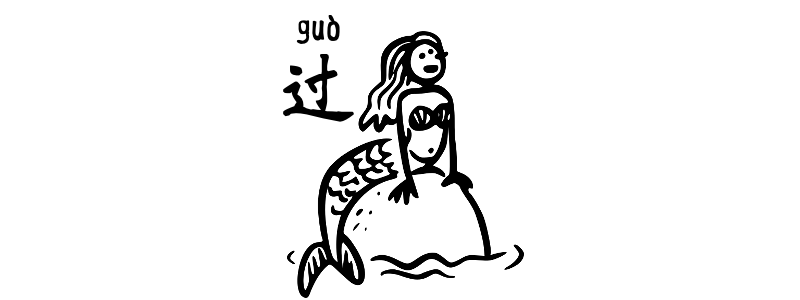
Grammar Point:The particle 過过 guò is used to talk about something you have or haven’t experienced in the past. It always goes right after the verb. Structure S + V + 過过 guò + O 我wǒ去qù過guò中國Zhōngguó我wǒ去qù过guò中国ZhōngguóI have been to China. 你nǐ看kàn過guò這zhè部bù電影diànyǐng嗎ma? 你nǐ看kàn过guò这zhè部bù电影diànyǐng吗ma? Have you seen this movie before? 我wǒ見jiàn過guò他tā我wǒ见jiàn过guò他tāI have met him before. 我wǒ說shuō過guò嗎ma??我wǒ说shuō过guò吗ma??Have I said that before?…

Read more
差不多 Chàbuduō Grammar

Different Functions of 差不多 chàbùduō

Posted on January 30, 2025March 17, 2025 by tiffany

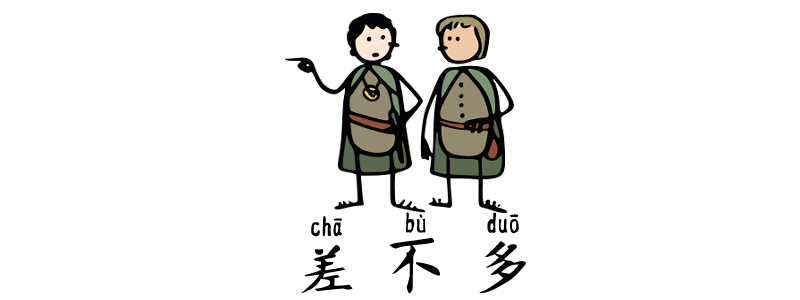
Grammar Point:差不多 chābùduōchàbuduō expresses the idea of “not much difference” or “almost the same.” It is often used to describe a situation where two things or situations are very similar or nearly identical. Structure S1 + (and + S2) + 差不多 Verb – It general means “about the same” in English. 我們wǒmen的de年紀niánjì差不多chābùduō我们wǒmen的de年纪niánjì差不多chàbuduōOur ages are about…

Read more

Using 将 jiāng to express 把 bǎ

Posted on January 29, 2025August 27, 2026 by tiffany

OneDotDot Chinese Grammar · HSK 4 Grammar Point · HSK 4 將 jiāng将 jiāng — Using 將 jiāng将 jiāng to Express 把 bǎ把 bǎ 將 jiāng将 jiāng can do the same job as 把 bǎ把 bǎ — moving the object to emphasize the handling or disposition of it. The difference is register:將 jiāng将 jiāng is…

Read more
Location 部 bù 邊 biān

Location with 部 bù and 邊 biān

Posted on January 28, 2025March 17, 2025 by tiffany

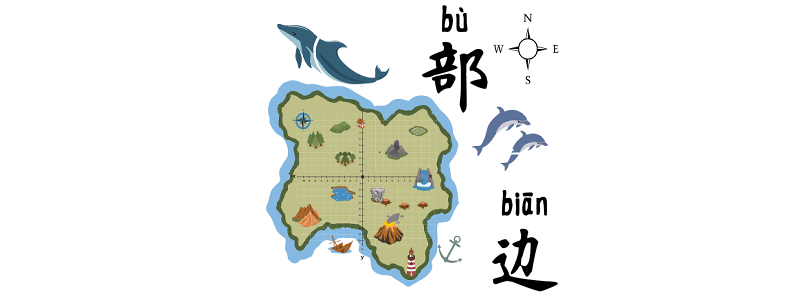
Grammar Point:The key difference is that 部 bù refers to an entire section or region, while 邊边 biānbian refers to a side or direction. 部 bù 部 bù is more formal and typically used to refer to regions in a directional sense, such as 東东部 dōngbù (the East), 南部 nánbù (the South), 西部 xībù (the West),…

Read more
才 cái Chinese Grammar

Only & Longer Than Expected – 才 cái

Posted on January 27, 2025March 17, 2025 by tiffany

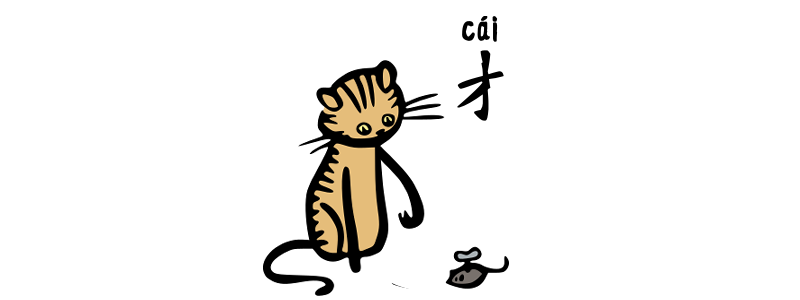
Grammar Point:In Chinese, 才 cái is used to indicate that something is less than expected or insufficient, often reflecting the speaker’s surprise or dissatisfaction. It can also suggest that something happened later or more slowly than anticipated, similar to “not until” or “as late as” in English. Structure S + 才 cái + V + O This…

Read more

“A bit too” in Chinese – Adj le diǎn

Posted on January 26, 2025September 7, 2026 by tiffany

OneDotDot Chinese Grammar · HSK 4 Grammar Point · HSK 4 Adj + 了點(兒) le diǎn(r)了点(儿) le diǎn(r) — “A Bit Too” Adding 了點(兒) le diǎn(r)了点(儿) le diǎn(r) after an adjective expresses that something is slightly excessive or beyond ideal. It often carries a tone of mild dissatisfaction, criticism, or concern — but stays polite…

Read more

Posts pagination

  • Previous
  • 1
  • …
  • 25
  • 26
  • 27
  • 28
  • 29
  • 30
  • 31
  • …
  • 89
  • Next
當代中文当代中文 · Series

Contemporary Chinese

Volume Book 1 Volume Book 2 Coming Soon Book 3 Coming Soon Book 4
中文聽說讀寫中文听说读写 · Series

INTEGRATED CHINESE

Coming Soon Book 1 Coming Soon Book 2 Coming Soon Book 3 Coming Soon Book 4

OneDotDot Chinese

When a foreign friend says their Chinese is "yì diǎn diǎn" (just a little), this site exists to make that little bit grow, one day at a time.

  ABOUT

  About Me
  Special Thanks
  News
  My Students Only

  CONTACT

  LinkedIn
  Instagram
  Privacy Policy

© 2026 OneDotDot Chinese | Powered by Superbs Personal Blog theme