著 zhe着 zhe shows a continuing state or a background action. In this lesson, it helps describe how someone does something, one thing leading into another, and doing something just for fun.
一 V1 + 著着 + V2
Verb1 + 著着 + Verb2
Two actions happen at the same time. V1 + 著 zhe着 zhe is the background or the manner, and V2 is the main action.
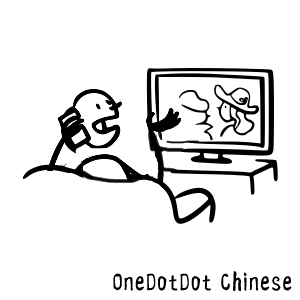
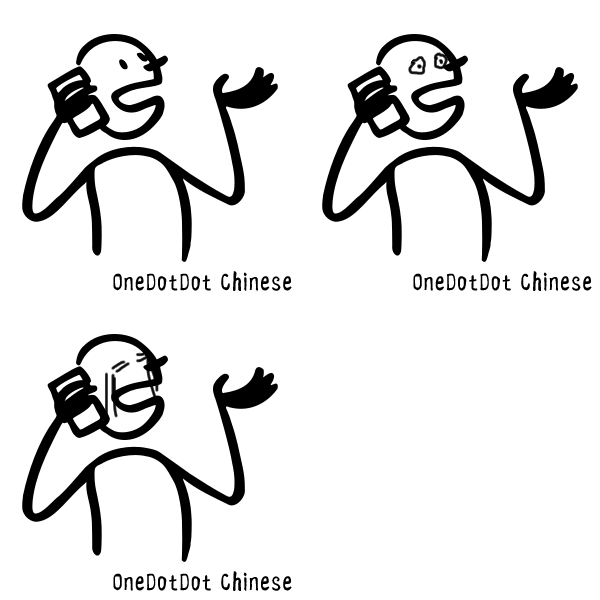
他看著着電視电视講讲電話电话
He’s talking on the phone with the TV on.
The phone call is the main action; the TV is just in the background.
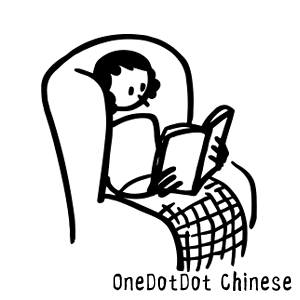
姐姐坐著着看書看书
My older sister is sitting and reading.
Reading is the main action; sitting is how she’s doing it.
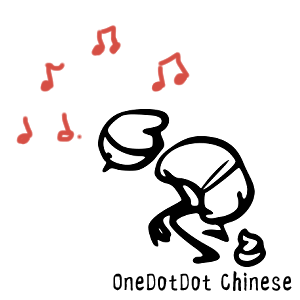
他唱著着歌上廁所厕所
He sings while he’s on the toilet.
Using the toilet is the main action. 😂
她笑著着說说:「沒關係没关系。」
She smiled and said, “It’s OK.”
二 V著着 V著着 就…了
V + 著着 + V + 著着 + 就 … 了
Repeat the same verb with 著 zhe着 zhe to show you were in the middle of doing something when, without noticing, something new happened. The 了 at the end is the change-of-situation 了2.
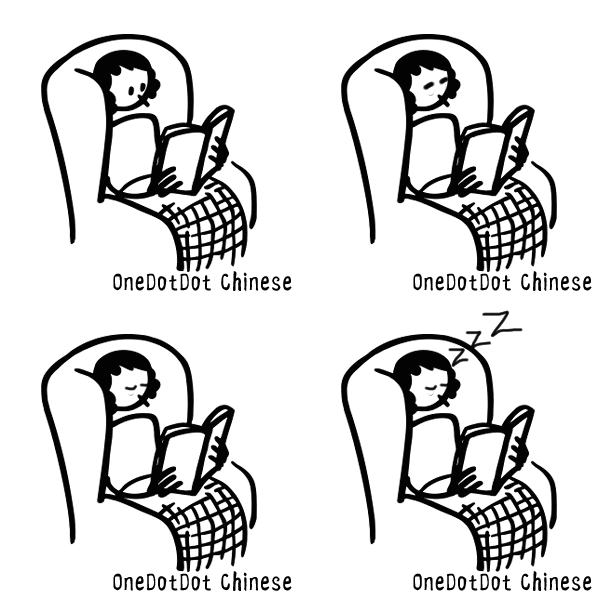
姐姐看著着看著着就睡了
My older sister fell asleep while reading.
他說说著着說说著着就哭了
He was talking and then started crying.
我們我们走著着走著着就到了
We kept walking and, before we knew it, we were there.
三 是 V著着 玩的: Just for Fun
Subject + 是 + V + 著着 + 玩的
This means you did something just for fun, not seriously. The negative 不是 V著玩的 búshì V zhe wán de不是 V着玩的 búshì V zhe wán de means “I’m serious about it.”
我是說说著着玩的,我怎麼怎么可能真的生十個个孩子
I was just kidding! How could I really have ten kids?
中文我不是學学著着玩的,我是真的準備准备要去中國中国
I’m not learning Chinese just for fun. I’m really getting ready to go to China.
四 在 vs. 著着
Compare 在 zài with 著 zhe着 zhe: 在 zài is an action in progress right now, while V1著着 is a background state for another action.
在 · in progress
他在看電視电视
He’s watching TV (right now).
V1著着 + V2 · background
他看著着電視电视吃飯吃饭
He’s eating dinner with the TV on.
五 Common Mistakes
❌ 他坐看著着書书
✅ 他坐著着看書看书
著 zhe着 zhe goes after the first verb, the background one.
❌ 姐姐看著着聽听著着就睡了
✅ 姐姐看著着看著着就睡了
In V著着V著着就…了, both verbs must be the same.
❌ 我說说著着玩
✅ 我是說说著着玩的
“Just for fun” needs the full 是…的 frame: 是 V著着玩的.
六 Practice
Tap the words below in the right order to build the sentence, then check your answer. If it’s wrong, you can try again as many times as you like, or hit “Show answer” if you get stuck. Careful: some tiles are traps and are not needed!
Question 1 of 10
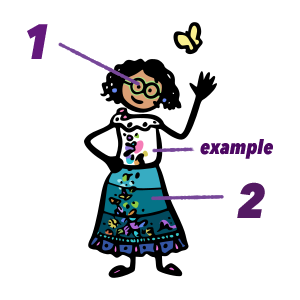
She’s wearing glasses.
Tap words below to build the sentence
❌ Try Again
她戴著着眼鏡眼镜
Glasses are “worn” with 戴 dài, not 穿 chuān.
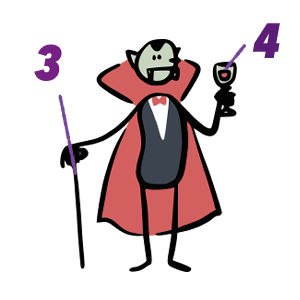
He’s holding a wine glass.
Tap words below to build the sentence
❌ Try Again
他拿著着酒杯
A continuing state → V著着.
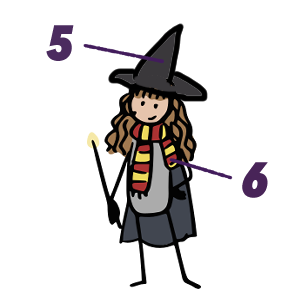
She’s wearing a scarf.
Tap words below to build the sentence
❌ Try Again
她戴著着圍巾围巾
Accessories like hats and scarves also use 戴 dài.
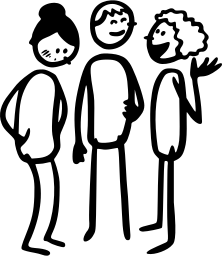
They’re standing and talking.
Tap words below to build the sentence
❌ Try Again
他們他们站著着說話说话
Talking is the main action; standing is how they do it.
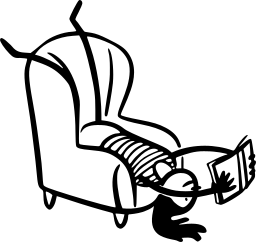
She’s lying down and reading.
Tap words below to build the sentence
❌ Try Again
她躺著着看書看书
V1著着 + V2.
“He smiled and said thank you.”
Tap words below to build the sentence
❌ Try Again
他笑著着說说謝謝谢谢
Smiling is the manner; saying is the main action. 😊
“We kept walking and, before we knew it, we were there.”



1 thought on “Action with 著 zhe”
Comments are closed.