Chinese needs a measure word between a number (or a word like “this/that”) and a noun — every time, even for single, countable things. There are over 200 measure words, and most nouns pair with a specific one.
一杯水
A cup of water.
五隻只狗
Five dogs.
這本書这本书
This book.
那輛車那辆车
That car.
A measure word isn’t needed when the noun is generic — not referring to a specific quantity.
書书很好
Books are good.
我有筆笔
I have pens.
二 杯 bēi
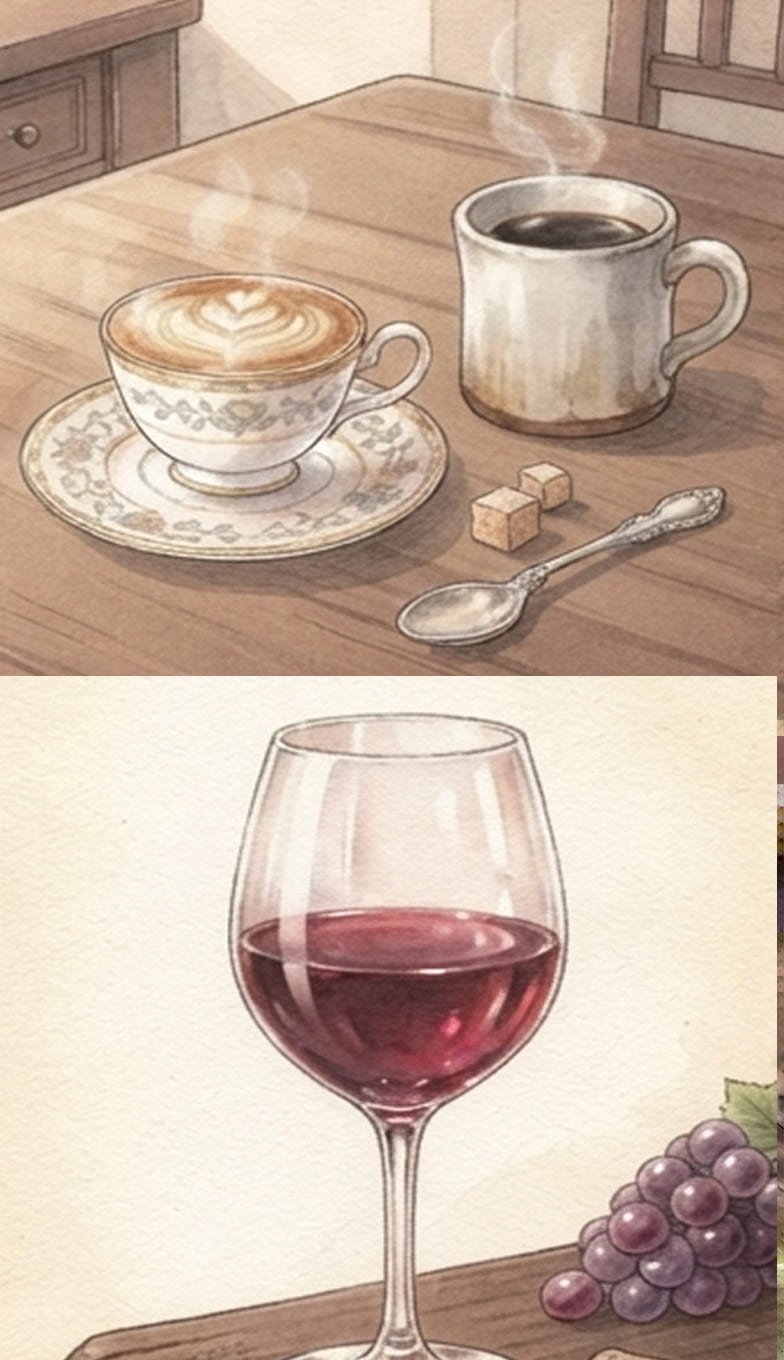
杯 is the measure word for cup-shaped objects and beverages.
兩两杯咖啡
Two cups of coffee.
三三杯茶
Three cups of tea.
一杯珍奶
One cup of bubble milk tea.
When you’re counting the cups themselves — not what’s inside them — switch to 個个ge instead: 三個个杯子 (“three cups”).
三 塊 kuài
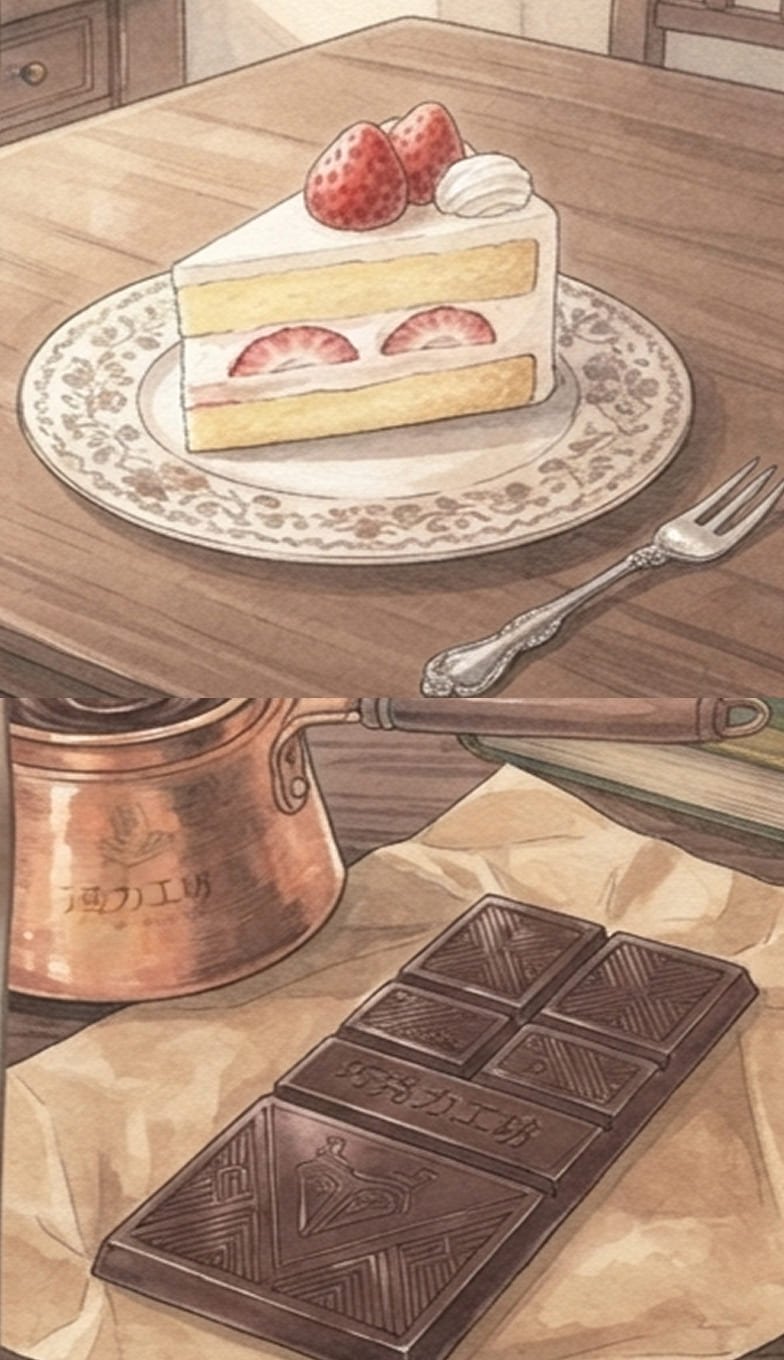
塊块 is for objects treated as a single solid unit — chunks, pieces, blocks, lumps — and it’s also the everyday word for counting money.
一塊块蛋糕
A piece of cake.
十塊块錢钱
Ten dollars.
兩两塊块木材
Two chunks of wood.
四 種 zhǒng
種种 means “kind” or “type” — it can attach to almost anything.
這種这种人
This kind of person.
五種种花
Five kinds of flowers.
一種种現象现象
A phenomenon.
五枝支zhī
枝支 is for long, slender, stick-like objects — pencils, roses, rifles, branches. It’s not for anything soft or flexible, like a scarf or a hose.
兩枝鉛筆两支铅笔
Two pencils.
一枝支花花
One sprig of flowers.
三枝槍支枪
Three guns.
六 Common Mistakes
❌ 三杯杯子
✅ 三個个杯子
杯 measures what’s inside a cup — the cups themselves are counted with 個个.
❌ 三個个杯咖啡
✅ 三杯咖啡
Coffee is a beverage, so it takes 杯 directly — 個个 doesn’t belong in front of it here.
❌ Thinking 一塊块蛋糕 means “one whole cake”
✅ It means “a piece/slice of cake” — 塊块 refers to a single chunk, not the whole thing
塊块 counts a solid piece or unit. For a whole cake, you’d use a different measure word.
七 Practice
Pick the correct measure word.
Question 1 of 10
“Two cups of coffee.”
Coffee (a beverage) takes 杯.
“Three cups.” (counting the cups themselves)
The cup itself uses 個个, not 杯.
“A piece of cake.”
A solid piece of something takes 塊块.
“Ten dollars.”
Money is counted with 塊块.
“This kind of person.”
“Kind of person” needs 種种, not 塊块.
“Five kinds of flowers.”
Different types/kinds always take 種种.
“Two pencils.”
A long, slender object like a pencil takes 枝支.
“Three guns.”
A gun is long and slender in shape, so it’s 枝支.
“One cell phone.”
Phones are always 支, never 枝 — even in Traditional writing.