Question Words 2 — Where & Which哪 nǎ, 哪里 nǎlǐ, 哪些 nǎxiē & 哪一 nǎ yī
One little character, 哪 nǎ, is behind every “where” and “which” question in Chinese. Add a place ending and it asks “where”; add a measure word and it asks “which one”; add 些 xiē and it asks “which ones”.
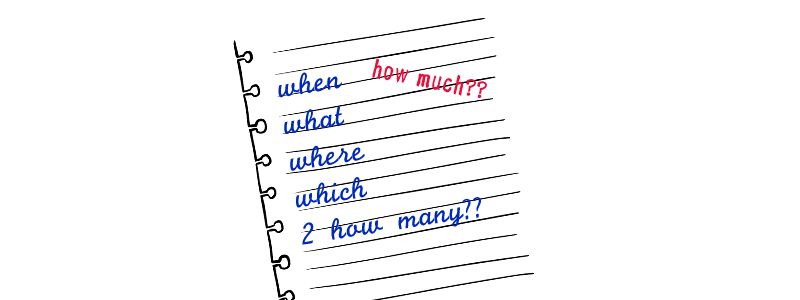
In part two of the question-word series, we look at the 哪 nǎ family: 哪里 nǎlǐ for places, 哪 nǎ + measure word for “which one”, and 哪些 nǎxiē for “which ones”.
1Quick Reference
All three words are built on 哪 nǎ. What you attach to it decides what you are asking about.
| Word | Meaning | Pattern |
|---|---|---|
| 哪里 nǎlǐ / 哪儿 nǎr | where | 在 zài / 去 qù + 哪里 nǎlǐ |
| 哪 nǎ + MW | which (one) | 哪 nǎ (+ 一 yī) + Measure Word + Noun |
| 哪些 nǎxiē | which (ones) | 哪些 nǎxiē + Noun — no measure word |
Just like every other question word in Chinese, 哪 nǎ-words stay in the spot where the answer goes. Don’t move them to the front of the sentence, and don’t add 吗 ma at the end.
2Where — 哪里 nǎlǐ & 哪儿 nǎr
“Where” can be 哪里 nǎlǐ or 哪儿 nǎr; they mean exactly the same thing. 哪里 nǎlǐ is the everyday choice in Taiwan and southern China, while 哪儿 nǎr is typical of northern China. In casual speech, you can also just say 哪 nǎ — for example 你去哪? Nǐ qù nǎ?
| Subject | Verb | Place | |
|---|---|---|---|
| Question | 老师 lǎoshī | 在 zài | 哪里 nǎlǐ? |
| Teacher | is at | where? | |
| Answer | 老师 lǎoshī | 在 zài | 家 jiā |
| Teacher | is at | home. |
The answers 我在你心里 wǒ zài nǐ xīnlǐ (“I’m in your heart”) and 我想去你心里 wǒ xiǎng qù nǐ xīnlǐ (“I want to go into your heart”) are classic cheesy pick-up lines. Use them with a smile!
3Which — 哪 nǎ (+ Number) + Measure Word
When 哪 nǎ is followed by a measure word instead of 里 lǐ, it means “which”. The measure word is required: you can’t put 哪 nǎ directly in front of a noun. When you ask about just one thing, you can add 一 yī (one) before the measure word — 哪一 nǎ yī + 个 gè = “which one”. The noun can be left out when it’s already clear.
Before a measure word, you will often hear 哪 nǎ pronounced něi, as in 哪个 něige — especially in northern China. Both nǎ and něi are correct. Also, in Taiwan 和 hé (and) is commonly pronounced hàn in everyday speech.
4Which Ones — 哪些 nǎxiē
Add 些 xiē (some) to 哪 nǎ and the question becomes plural: “which ones”. 些 xiē already works like a measure word, so 哪些 nǎxiē goes straight in front of the noun — no extra measure word and no number.
5Common Mistakes
6Practice
How would you say these in Chinese? Tap each card to check your answer.
Enjoyed this post? Buy me a coffee so I can keep writing more of these ☕
Support OneDotDot Chinese