Spiders That Eat Their Mothers
Vocabulary
to shudder with fear
一想到那場車禍的畫面,她至今仍不寒而慄。一想到那场车祸的画面,她至今仍不寒而栗。
Even now, just thinking about the scene of that car accident makes her shudder.
to bite; to devour
洪水無情地吞噬了整座村莊。洪水无情地吞噬了整座村庄。
The flood mercilessly swallowed up the entire village.
to kill (one’s parent or ruler)
這部歷史劇講述了一位王子弒父篡位的故事。这部历史剧讲述了一位王子弑父篡位的故事。
This historical drama tells the story of a prince who kills his father to seize the throne.
ethics
基因編輯技術引發了許多倫理上的爭議。基因编辑技术引发了许多伦理上的争议。
Gene-editing technology has sparked many ethical controversies.
to gnaw; to nibble
小狗趴在地上,津津有味地啃著骨頭。小狗趴在地上,津津有味地啃着骨头。
The puppy lay on the floor, happily gnawing on a bone.
ungrateful
當年是老闆提拔了他,他卻在公司最困難時跳槽,實在忘恩負義。当年是老板提拔了他,他却在公司最困难时跳槽,实在忘恩负义。
It was the boss who promoted him back then, yet he quit when the company was struggling — how ungrateful.
to hatch; to incubate
經過三週的孵化,小雞終於破殼而出。经过三周的孵化,小鸡终于破壳而出。
After three weeks of incubation, the chicks finally broke out of their shells.
arthropod
昆蟲、蝦和螃蟹都屬於節肢動物。昆虫、虾和螃蟹都属于节肢动物。
Insects, shrimp and crabs are all arthropods.
to ruminate; to regurgitate food
牛吃完草後,會躺下來慢慢反芻。牛吃完草后,会躺下来慢慢反刍。
After eating grass, cows lie down and slowly chew their cud.
to let (sb do as they please)
他不願意管教孩子,總是任由他們在餐廳裡亂跑。他不愿意管教孩子,总是任由他们在餐厅里乱跑。
He’s unwilling to discipline his kids and always lets them run wild in restaurants.
at first hearing; at first glance
這個計畫乍聽之下很簡單,其實執行起來困難重重。这个计划乍听之下很简单,其实执行起来困难重重。
This plan sounds simple at first, but it’s full of difficulties to carry out.
portrayal; true picture
這首歌是那個年代年輕人心情的最佳寫照。这首歌是那个年代年轻人心情的最佳写照。
This song perfectly captures how young people felt in that era.
body (formal)
運動員拖著疲憊的軀體,堅持跑完了全程。运动员拖着疲惫的躯体,坚持跑完了全程。
The athlete dragged his exhausted body on and finished the whole race.
Reading Passage
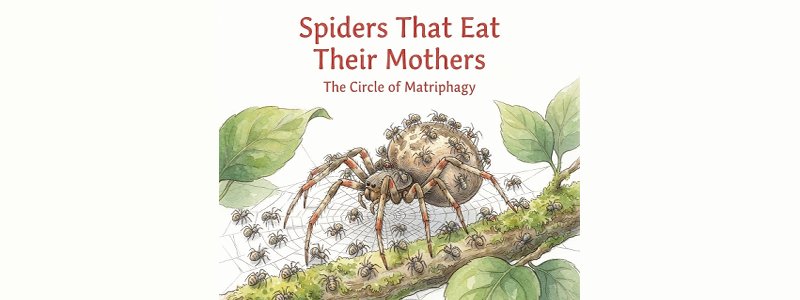
“噬母蜘蛛”一词,乍听之下总令人不寒而栗:刚孵化的幼蛛啃食生母的躯体,这样的画面很容易被解读为“子代弑母”、“忘恩负义”的极端写照。然而,以人类的伦理框架去衡量动物行为,往往会遮蔽现象背后真正的生物学意涵,也难以帮助我们理解这种行为为何能在自然界中延续下来。
在生物学上,“噬母”(matriphagy)指的是幼体在孵化后,以母体身体作为食物来源的行为,仅见于部分蜘蛛及少数其他节肢动物。值得注意的是,在多数已被研究的案例中,母蜘蛛并非全然被动地遭到吞食:它们可能在产卵后期额外产下不具受精能力的“营养卵”供幼蛛取食,或以反刍方式将消化后的养分喂给幼体,最终在生命的末期,任由幼蛛取食自己的身体。从这个角度看,与其说是母体“被吃掉”,不如说是它对后代所做的最后一次投资。
为什么这样的行为会被自然选择保留下来?研究者提出的一种解释是:对这些蜘蛛而言,母体完成繁殖后所剩的存活时间有限,而幼蛛早期的存活率,又高度取决于能否及时获得充足的养分。若母体将自身转化为养分,对后代生存所带来的优势,可能远大于它多活片刻所能换取的收益。不过,这只是目前被广泛讨论的假说之一,并非定论;不同物种的具体机制也不尽相同,更不能因此推论所有蜘蛛皆是如此。
最后,尚需澄清一个常见的混淆:噬母与“性食同类”(雌蛛在交配前后捕食雄蛛)是两种不同的现象,前者发生在亲代与子代之间,涉及的是亲代投资;后者则发生在交配双方之间,牵涉的是繁殖过程中的利益冲突。将两者混为一谈,或将噬母视为蜘蛛的普遍行为,甚至以此证明“自然界本就残酷”,都是脱离证据、过度延伸的结果。
“Shìmǔ zhīzhū” yì cí, zhà tīng zhī xià zǒng lìng rén bù hán ér lì: gāng fūhuà de yòuzhū kěnshí shēngmǔ de qūtǐ, zhèyàng de huàmiàn hěn róngyì bèi jiědú wéi “zǐdài shì mǔ”, “wàng ēn fù yì” de jíduān xiězhào. Rán’ér, yǐ rénlèi de lúnlǐ kuàngjià qù héngliáng dòngwù xíngwéi, wǎngwǎng huì zhēbì xiànxiàng bèihòu zhēnzhèng de shēngwùxué yìhán, yě nányǐ bāngzhù wǒmen lǐjiě zhè zhǒng xíngwéi wèihé néng zài zìránjiè zhōng yánxù xiàlái.
Zài shēngwùxué shàng, “shìmǔ” (matriphagy) zhǐ de shì yòutǐ zài fūhuà hòu, yǐ mǔtǐ shēntǐ zuòwéi shíwù láiyuán de xíngwéi, jǐn jiàn yú bùfen zhīzhū jí shǎoshù qítā jiézhī dòngwù. Zhíde zhùyì de shì, zài duōshù yǐ bèi yánjiū de ànlì zhōng, mǔ zhīzhū bìngfēi quánrán bèidòng de zāodào tūnshí: tāmen kěnéng zài chǎnluǎn hòuqī éwài chǎnxià bú jù shòujīng nénglì de “yíngyǎngluǎn” gōng yòuzhū qǔshí, huò yǐ fǎnchú fāngshì jiāng xiāohuà hòu de yǎngfèn wèi gěi yòutǐ, zuìzhōng zài shēngmìng de mòqī, rènyóu yòuzhū qǔshí zìjǐ de shēntǐ. Cóng zhège jiǎodù kàn, yǔqí shuō shì mǔtǐ “bèi chīdiào”, bùrú shuō shì tā duì hòudài suǒ zuò de zuìhòu yí cì tóuzī.
Wèishénme zhèyàng de xíngwéi huì bèi zìrán xuǎnzé bǎoliú xiàlái? Yánjiūzhě tíchū de yì zhǒng jiěshì shì: duì zhèxiē zhīzhū ér yán, mǔtǐ wánchéng fánzhí hòu suǒ shèng de cúnhuó shíjiān yǒuxiàn, ér yòuzhū zǎoqí de cúnhuólǜ, yòu gāodù qǔjué yú néngfǒu jíshí huòdé chōngzú de yǎngfèn. Ruò mǔtǐ jiāng zìshēn zhuǎnhuà wéi yǎngfèn, duì hòudài shēngcún suǒ dàilái de yōushì, kěnéng yuǎn dà yú tā duō huó piànkè suǒ néng huànqǔ de shōuyì. Búguò, zhè zhǐ shì mùqián bèi guǎngfàn tǎolùn de jiǎshuō zhī yī, bìngfēi dìnglùn; bùtóng wùzhǒng de jùtǐ jīzhì yě bú jìn xiāngtóng, gèng bù néng yīncǐ tuīlùn suǒyǒu zhīzhū jiē shì rúcǐ.
Zuìhòu, shàng xū chéngqīng yí ge chángjiàn de hùnxiáo: shìmǔ yǔ “xìng shí tónglèi” (cí zhū zài jiāopèi qiánhòu bǔshí xióng zhū) shì liǎng zhǒng bùtóng de xiànxiàng, qiánzhě fāshēng zài qīndài yǔ zǐdài zhījiān, shèjí de shì qīndài tóuzī; hòuzhě zé fāshēng zài jiāopèi shuāngfāng zhījiān, qiānshè de shì fánzhí guòchéng zhōng de lìyì chōngtū. Jiāng liǎngzhě hùn wéi yì tán, huò jiāng shìmǔ shì wéi zhīzhū de pǔbiàn xíngwéi, shènzhì yǐ cǐ zhèngmíng “zìránjiè běn jiù cánkù”, dōu shì tuōlí zhèngjù, guòdù yánshēn de jiéguǒ.
The term “mother-eating spider” sends a chill down the spine at first: newly hatched spiderlings gnawing on their own mother’s body — an image easily read as the ultimate picture of “children killing their mother” or “ingratitude.” Yet judging animal behavior through a human ethical framework often hides the real biological meaning behind the phenomenon, and does little to help us understand why such behavior has persisted in nature.
In biology, “matriphagy” refers to young animals using their mother’s body as a food source after hatching. It is found only in some spiders and a few other arthropods. Notably, in most of the cases that have been studied, the mother spider is not simply a passive victim. She may lay extra, infertile “trophic eggs” late in the egg-laying period for the spiderlings to eat, or feed them regurgitated, pre-digested nutrients, and finally, at the end of her life, allow the spiderlings to feed on her body. Seen this way, rather than saying the mother “gets eaten,” it is more accurate to say this is her final investment in her offspring.
Why would natural selection preserve such behavior? One explanation researchers have proposed is this: for these spiders, the mother has only a limited time left to live after reproducing, while the spiderlings’ early survival depends heavily on getting enough nutrients in time. If the mother turns her own body into food, the survival advantage this gives her offspring may far outweigh whatever she could gain by living a little longer. However, this is only one of the hypotheses currently being widely discussed — it is not settled science. The specific mechanisms differ between species, and we certainly cannot conclude that all spiders behave this way.
Finally, a common confusion needs to be cleared up. Matriphagy and “sexual cannibalism” (a female spider eating the male before or after mating) are two different phenomena. The first occurs between parent and offspring and is a matter of parental investment; the second occurs between mating partners and involves a conflict of interests during reproduction. Lumping the two together, treating matriphagy as typical of all spiders, or even using it to “prove” that nature is inherently cruel — all of these go beyond the evidence and stretch the facts too far.
Comprehension Questions
作者在首段提到「子代弒母」、「忘恩負義」等說法,主要用意是什麼?作者在首段提到“子代弑母”、“忘恩负义”等说法,主要用意是什么?
第二段說「與其說是母體『被吃掉』,不如說是牠對後代所做的最後一次投資」,這句話的含義最接近下列何者?第二段说“与其说是母体‘被吃掉’,不如说是它对后代所做的最后一次投资”,这句话的含义最接近下列哪一项?
對於第三段所提出的演化解釋,作者採取怎樣的態度?对于第三段所提出的进化解释,作者采取怎样的态度?
文中提到「營養卵」與「反芻餵養」,其在論述中的作用是什麼?文中提到“营养卵”与“反刍喂养”,其在论述中的作用是什么?
作者在末段區分「噬母」與「性食同類」,主要目的是什麼?作者在末段区分“噬母”与“性食同类”,主要目的是什么?
這篇文章最想傳達的核心觀點最可能是什麼?这篇文章最想传达的核心观点最可能是什么?
Did this lesson help you? 🙂
If you enjoyed practicing with this page, consider buying me a coffee — it helps keep new lessons like this one coming.
☕ Buy me a coffee