Standard Chinese
Vocabulary
label; tag
買衣服以前,我習慣先看一下標籤上的價錢。买衣服以前,我习惯先看一下标签上的价钱。
Before buying clothes, I usually check the price on the tag first.
to patronize (a shop); to be a customer
這家麵店又好吃又便宜,很多學生常常光顧。这家面馆又好吃又便宜,很多学生常常光顾。
This noodle shop is tasty and cheap, so lots of students go there often.
to visit (someone)
週末我們去醫院探訪了住院的爺爺。周末我们去医院探访了住院的爷爷。
On the weekend we went to the hospital to visit Grandpa.
puzzled; confused
聽完老師的解釋,他還是很疑惑,又舉手問了一次。听完老师的解释,他还是很疑惑,又举手问了一次。
Even after the teacher’s explanation, he was still confused and raised his hand to ask again.
silent; to fall silent
聽到這個壞消息,大家都沉默了很久。听到这个坏消息,大家都沉默了很久。
When they heard the bad news, everyone fell silent for a long time.
subordinate; staff member
王經理對下屬很客氣,大家都喜歡跟他一起工作。王经理对下属很客气,大家都喜欢跟他一起工作。
Manager Wang is polite to his staff, and everyone likes working with him.
memo; notes
我怕忘記,所以把明天要做的事寫在手機備忘錄裡。我怕忘记,所以把明天要做的事写在手机备忘录里。
I’m afraid I’ll forget, so I wrote tomorrow’s tasks in the notes app on my phone.
to review; to reflect on (mistakes)
比賽輸了以後,教練讓每個球員檢討自己的問題。比赛输了以后,教练让每个球员检讨自己的问题。
After losing the game, the coach had every player reflect on their own mistakes.
as for; as to
我可以幫你買票,至於住的地方,你得自己找。我可以帮你买票,至于住的地方,你得自己找。
I can buy the tickets for you; as for a place to stay, you’ll have to find one yourself.
totally puzzled (lit. a face full of question marks)
我用中文跟他開玩笑,他卻一臉問號地看著我。我用中文跟他开玩笑,他却一脸问号地看着我。
I joked with him in Chinese, but he just looked at me, totally confused.
Reading Passage
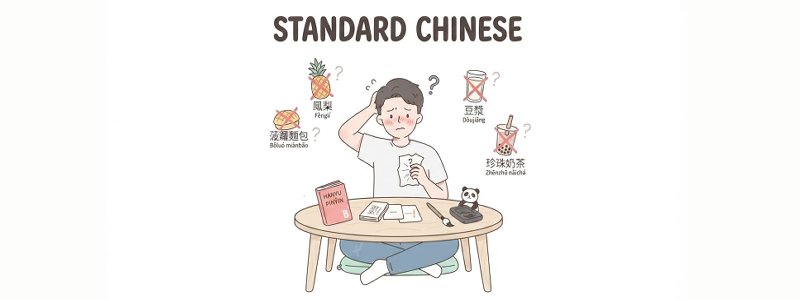
李明从小就知道自己是“台湾人”,只是这个身份更像一张标签,而不是一种真实的生活经验。他在纽约长大,说英文、吃墨西哥卷饼、看美式足球,偶尔在除夕夜跟着爸妈包饺子。
至于中文,他学过,而且学得相当认真。他跟着一位北京的王老师上课,所以对于来台湾探亲访友,他一点儿也不担心。
抵台第二天早上,阿嬷带他去巷口那家她光顾了三十年的早餐店。李明心想:点个早餐还不简单?
他走到柜台,带着让他自己都觉得骄傲的标准普通话:
“老板您好,我要一个馅饼,再来一杯豆浆,常温的就好。”
老板娘抬起头,有点疑惑:“什么馅饼?”
李明听了也觉得疑惑,台湾的馅饼还有口味吗?“猪肉的?”
这时阿嬷已经笑得流出泪了,用台语跟老板娘解释了几句,然后告诉李明:“‘常温’是大陆说法,台湾讲室温,或者直接说‘不要冰的’。还有,‘馅饼’在这边大家不说,你要说烧饼。”
下午,表姐带他去超市买水果。李明看到一种黄色的水果,马上说:
“哦!菠萝!我很喜欢吃菠萝!”
表姐转过头,一脸问号说:“菠萝?你说凤梨哦!在台湾没有人这样讲啦!”
李明沉默了三秒:“那菠萝面包呢?你们不是也叫它菠萝面包?”
表姐想了一下说:“对耶,但是凤梨就是凤梨。菠萝面包跟凤梨没有关系,所以是菠萝面包,不能叫凤梨面包。”
晚上全家人聚在一起吃饭。李明想表现得有礼貌,所以对舅舅说了一句他以为很正式的话:
“舅舅,您辛苦了。”
全桌的人突然安静了一秒,然后一起笑出来。
舅舅摸了摸头,说:“哎,什么辛苦,我又不是你的下属……”
阿嬷解释说:“‘辛苦了’在台湾通常是对下属或工作人员说的,不太用在长辈身上。听起来……有点奇怪啦。”
饭后,李明独自坐在阳台,望着台北的夜景。他想,我今天到底说对了几句话?
阿嬷端了杯热茶出来,坐在他旁边,没有多说什么,只是用混着台语腔的普通话说:“你今天讲的,阿嬷都听懂了。”
李明想了想,说:“可是我说的不是台湾中文。”
阿嬷摇摇头:“语言这种东西,哪里有标准的。你阿公年轻的时候讲日文,后来讲台语,再后来讲国语,三种语言讲了一辈子,每一种都带着口音,可是每一种都是真的。”
李明沉默了一会儿,问:“那我的中文算什么?”
“算一个开始,”阿嬷说,“而且是个好的开始。”
他回到房间,打开手机备忘录,把这一天学到的字一条一条记下来,不是为了检讨,而是因为他知道,这份清单明天还会继续变长,而那正好说明他还在学。
Lǐ Míng cóng xiǎo jiù zhīdào zìjǐ shì “Táiwān rén”, zhǐshì zhège shēnfèn gèng xiàng yì zhāng biāoqiān, ér bú shì yì zhǒng zhēnshí de shēnghuó jīngyàn. Tā zài Niǔyuē zhǎngdà, shuō Yīngwén, chī Mòxīgē juǎnbǐng, kàn Měishì zúqiú, ǒu’ěr zài chúxī yè gēnzhe bàmā bāo jiǎozi.
Zhìyú Zhōngwén, tā xué guo, érqiě xué de xiāngdāng rènzhēn. Tā gēnzhe yí wèi Běijīng de Wáng lǎoshī shàngkè, suǒyǐ duìyú lái Táiwān tànqīn fǎngyǒu, tā yìdiǎnr yě bù dānxīn.
Dǐ Tái dì èr tiān zǎoshang, āmā dài tā qù xiàngkǒu nà jiā tā guānggù le sānshí nián de zǎocān diàn. Lǐ Míng xīn xiǎng: diǎn ge zǎocān hái bù jiǎndān?
Tā zǒu dào guìtái, dàizhe ràng tā zìjǐ dōu juéde jiāo’ào de biāozhǔn Pǔtōnghuà:
“Lǎobǎn nín hǎo, wǒ yào yí ge xiànbǐng, zài lái yì bēi dòujiāng, chángwēn de jiù hǎo.”
Lǎobǎnniáng tái qǐ tóu, yǒudiǎn yíhuò: “Shénme xiànbǐng?”
Lǐ Míng tīng le yě juéde yíhuò, Táiwān de xiànbǐng hái yǒu kǒuwèi ma? “Zhūròu de?”
Zhè shí āmā yǐjīng xiào de liú chū lèi le, yòng Táiyǔ gēn lǎobǎnniáng jiěshì le jǐ jù, ránhòu gàosu Lǐ Míng: “‘Chángwēn’ shì Dàlù shuōfǎ, Táiwān jiǎng shìwēn, huòzhě zhíjiē shuō ‘bú yào bīng de’. Háiyǒu, ‘xiànbǐng’ zài zhèbiān dàjiā bù shuō, nǐ yào shuō shāobǐng.”
Xiàwǔ, biǎojiě dài tā qù chāoshì mǎi shuǐguǒ. Lǐ Míng kàndào yì zhǒng huángsè de shuǐguǒ, mǎshàng shuō:
“Ò! Bōluó! Wǒ hěn xǐhuan chī bōluó!”
Biǎojiě zhuǎn guò tóu, yì liǎn wènhào shuō: “Bōluó? Nǐ shuō fènglí o! Zài Táiwān méiyǒu rén zhèyàng jiǎng la!”
Lǐ Míng chénmò le sān miǎo: “Nà bōluó miànbāo ne? Nǐmen bú shì yě jiào tā bōluó miànbāo?”
Biǎojiě xiǎng le yíxià shuō: “Duì ye, dànshì fènglí jiù shì fènglí. Bōluó miànbāo gēn fènglí méiyǒu guānxi, suǒyǐ shì bōluó miànbāo, bù néng jiào fènglí miànbāo.”
Wǎnshang quán jiā rén jù zài yìqǐ chī fàn. Lǐ Míng xiǎng biǎoxiàn de yǒu lǐmào, suǒyǐ duì jiùjiu shuō le yí jù tā yǐwéi hěn zhèngshì de huà:
“Jiùjiu, nín xīnkǔ le.”
Quán zhuō de rén tūrán ānjìng le yì miǎo, ránhòu yìqǐ xiào chūlái.
Jiùjiu mō le mō tóu, shuō: “Āi, shénme xīnkǔ, wǒ yòu bú shì nǐ de xiàshǔ……”
Āmā jiěshì shuō: “‘Xīnkǔ le’ zài Táiwān tōngcháng shì duì xiàshǔ huò gōngzuò rényuán shuō de, bú tài yòng zài zhǎngbèi shēnshang. Tīng qǐlái…… yǒudiǎn qíguài la.”
Fàn hòu, Lǐ Míng dúzì zuò zài yángtái, wàngzhe Táiběi de yèjǐng. Tā xiǎng, wǒ jīntiān dàodǐ shuō duì le jǐ jù huà?
Āmā duān le bēi rè chá chūlái, zuò zài tā pángbiān, méiyǒu duō shuō shénme, zhǐshì yòng hùnzhe Táiyǔ qiāng de Pǔtōnghuà shuō: “Nǐ jīntiān jiǎng de, āmā dōu tīng dǒng le.”
Lǐ Míng xiǎng le xiǎng, shuō: “Kěshì wǒ shuō de bú shì Táiwān Zhōngwén.”
Āmā yáoyao tóu: “Yǔyán zhè zhǒng dōngxi, nǎlǐ yǒu biāozhǔn de. Nǐ āgōng niánqīng de shíhou jiǎng Rìwén, hòulái jiǎng Táiyǔ, zài hòulái jiǎng Guóyǔ, sān zhǒng yǔyán jiǎng le yí bèizi, měi yì zhǒng dōu dàizhe kǒuyīn, kěshì měi yì zhǒng dōu shì zhēn de.”
Lǐ Míng chénmò le yíhuìr, wèn: “Nà wǒ de Zhōngwén suàn shénme?”
“Suàn yí ge kāishǐ,” āmā shuō, “érqiě shì ge hǎo de kāishǐ.”
Tā huí dào fángjiān, dǎkāi shǒujī bèiwànglù, bǎ zhè yì tiān xué dào de zì yì tiáo yì tiáo jì xiàlái, bú shì wèile jiǎntǎo, ér shì yīnwèi tā zhīdào, zhè fèn qīngdān míngtiān hái huì jìxù biàn cháng, ér nà zhènghǎo shuōmíng tā hái zài xué.
Li Ming had always known he was “Taiwanese,” but that identity was more like a label than a real part of his life. He grew up in New York, spoke English, ate burritos, and watched American football. Only occasionally, on Lunar New Year’s Eve, did he make dumplings with his parents.
As for Chinese, he had studied it — and studied it quite seriously, taking classes with a teacher from Beijing, Mr. Wang. So he wasn’t the least bit worried about visiting family and friends in Taiwan.
On his second morning in Taiwan, his grandma took him to the breakfast shop at the end of the lane that she had been going to for thirty years. Li Ming thought: ordering breakfast — how hard can it be?
He walked up to the counter and spoke in the standard Mandarin he was so proud of:
“Hello, boss. I’d like a xianbing (meat pie), and a soy milk, room temperature is fine.”
The shop owner’s wife looked up, a little puzzled: “What kind of xianbing?”
Li Ming was puzzled too. Did xianbing in Taiwan come in different flavors? “Pork?”
By then Grandma was laughing so hard she had tears in her eyes. She explained a few things to the owner in Taiwanese, then told Li Ming: “‘Changwen’ is how they say it in mainland China. In Taiwan we say ‘shiwen,’ or just ‘not iced.’ And people here don’t say ‘xianbing’ — you should say ‘shaobing.'”
In the afternoon, his cousin took him to the supermarket to buy fruit. Li Ming saw a yellow fruit and immediately said:
“Oh! Boluo (pineapple)! I love boluo!”
His cousin turned around, totally confused: “Boluo? You mean fengli! Nobody in Taiwan says that!”
Li Ming was silent for three seconds. “Then what about boluo bread? Don’t you call it boluo bread too?”
His cousin thought for a moment. “True, but a pineapple is a fengli. Boluo bread has nothing to do with pineapples, so it’s boluo bread — you can’t call it fengli bread.”
In the evening, the whole family gathered for dinner. Wanting to be polite, Li Ming said something to his uncle that he thought was very formal:
“Uncle, thank you for all your hard work.”
The whole table went quiet for a second, then everyone burst out laughing.
His uncle scratched his head and said, “Oh, what hard work? I’m not your employee…”
Grandma explained, “In Taiwan, ‘xinku le’ is usually said to your staff or to people working for you. We don’t really say it to elders. It sounds… a bit odd.”
After dinner, Li Ming sat alone on the balcony, looking out at the Taipei night view. He wondered: how many things did I actually say right today?
Grandma brought out a cup of hot tea and sat down beside him. She didn’t say much — just, in her Mandarin mixed with a Taiwanese accent: “Everything you said today, Grandma understood.”
Li Ming thought for a moment and said, “But what I speak isn’t Taiwanese Mandarin.”
Grandma shook her head. “Language — how can there be a standard? When your grandpa was young he spoke Japanese, later he spoke Taiwanese, and after that he spoke Mandarin. He spoke three languages his whole life, each with an accent, but every one of them was real.”
Li Ming was quiet for a while, then asked, “So what does my Chinese count as?”
“It counts as a beginning,” Grandma said, “and a good one.”
He went back to his room, opened the notes app on his phone, and wrote down the words he had learned that day, one by one — not to criticize himself, but because he knew the list would keep growing tomorrow, and that was proof he was still learning.
Comprehension Questions
文章開頭說「台灣人」這個身分對李明來說「更像一張標籤」,意思最可能是:文章开头说“台湾人”这个身份对李明来说“更像一张标签”,意思最可能是:
表姊說「菠蘿麵包跟鳳梨沒有關係,所以是菠蘿麵包」,這句話說明:表姐说“菠萝面包跟凤梨没有关系,所以是菠萝面包”,这句话说明:
李明對舅舅說「您辛苦了」,全桌人「突然安靜了一秒,然後一起笑出來」,這個情節說明:李明对舅舅说“您辛苦了”,全桌人“突然安静了一秒,然后一起笑出来”,这个情节说明:
阿嬤說「你今天講的,阿嬤都聽懂了」,她最可能想表達:阿嬷说“你今天讲的,阿嬷都听懂了”,她最可能想表达:
阿嬤提到阿公說過三種語言,「每一種都帶著口音,可是每一種都是真的」,主要是想說明:阿嬷提到阿公说过三种语言,“每一种都带着口音,可是每一种都是真的”,主要是想说明:
李明把這一天學到的字記在備忘錄裡,「不是為了檢討,而是因為他知道這份清單明天還會繼續變長」,這說明:李明把这一天学到的字记在备忘录里,“不是为了检讨,而是因为他知道这份清单明天还会继续变长”,这说明:
Did this lesson help you? 🙂
If you enjoyed practicing with this page, consider buying me a coffee — it helps keep new lessons like this one coming.
☕ Buy me a coffee