The Benefits of Mulberries
Vocabulary
to incorporate, to include
學校決定把這門課納入必修課程学校决定把这门课纳入必修课程
The school decided to incorporate this class into the required curriculum.
medicinal cuisine
奶奶生病的時候常常燉藥膳給她補身體奶奶生病的时候常常炖药膳给她补身体
When grandma was sick, we often simmered medicinal cuisine to help her recover.
to be given the title of, to be dubbed
那位選手因為速度飛快,被冠以「閃電」的稱號那位选手因为速度飞快,被冠以「闪电」的称号
That athlete was dubbed “Lightning” because of his incredible speed.
excessively, without restraint
他升職後就開始大肆花錢買名牌他升职后就开始大肆花钱买名牌
After his promotion, he started spending extravagantly on brand-name goods.
numerous, many
搬到新城市會遇到諸多不便搬到新城市会遇到诸多不便
Moving to a new city comes with numerous inconveniences.
to bestow, to endow with
這份工作賦予了他很大的責任这份工作赋予了他很大的责任
This job has given him a great deal of responsibility.
extract
這瓶精油是從薰衣草萃取物製成的这瓶精油是从薰衣草萃取物制成的
This essential oil is made from lavender extract.
resolute and decisive, cut-and-dried
他斬釘截鐵地拒絕了對方的提議他斩钉截铁地拒绝了对方的提议
He flatly and resolutely rejected the other party’s proposal.
clinical trial
這款新藥還在進行第三期臨床試驗这款新药还在进行第三期临床试验
This new drug is still undergoing phase three clinical trials.
to run counter to, to go in the opposite direction
他的做法跟公司原本的方向背道而馳他的做法跟公司原本的方向背道而驰
His approach runs directly counter to the company’s original direction.
to reverse priorities, to put the cart before the horse
為了考試熬夜到累垮身體,實在是本末倒置为了考试熬夜到累垮身体,实在是本末倒置
Staying up all night for exams until you wreck your health is putting the cart before the horse.
original intention
無論遇到多少困難,他都沒有忘記創業的初衷无论遇到多少困难,他都没有忘记创业的初衷
No matter how many difficulties he faced, he never forgot his original intention in starting the business.
Reading Passage
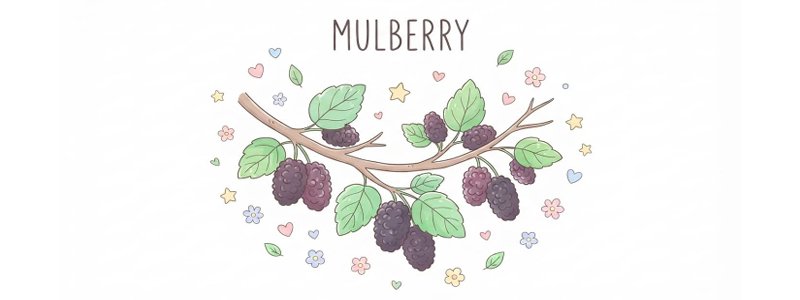
桑椹,又称桑葚,是桑树所结的果实,自古便被纳入中医药膳体系,列为「药食同源」之物。近年随着人们对天然保健食品兴趣日增,桑椹也因其色泽深紫、味道酸甜,以及所谓「养生」功效,逐渐从传统药材跃升为时下热门的养生食材,甚至被冠以「东方蓝莓」之名大肆行销。然而,若细究其成分与功效的科学依据,便会发现坊间流传的诸多说法,与实际研究结果之间,仍存在不小的落差。
从营养学角度来看,桑椹确实含有花青素、维生素C、铁质及多种微量元素,其中花青素赋予果实深紫色泽,并具有一定的抗氧化能力。部分动物实验与体外细胞实验显示,桑椹萃取物可能有助于调节血糖、改善血脂,甚至对肝脏具有保护作用。这类研究结果,往往被简化为「桑椹能降血糖」、「桑椹护肝」等斩钉截铁的宣传语句,广泛流传于各类保健食品广告与社群媒体之中。
然而,若仔细检视这些研究的设计,便会发现多数仅止于动物或细胞层次,尚未有足够规模、设计严谨的人体临床试验,能够证实同等剂量的桑椹摄取,在人体内确实能产生相同效果。换言之,实验室中观察到的现象,与日常饮食中适量食用桑椹所能带来的实际健康效益,两者之间仍存在相当距离——后者往往被过度推论、甚至等同视之,这正是保健食品行销中常见的手法。此外,桑椹本身糖分不低,若因「养生」之名而大量食用,反而可能造成血糖负担,与宣传中「控糖」的诉求恰好背道而驰。
由此观之,桑椹作为日常饮食的一部分,适量摄取确实能提供若干营养素,亦不失为一种天然、风味独特的水果选择;但若将其神化为某种具有明确疗效的「药物替代品」,甚至因此忽略正规医疗与均衡饮食的重要性,则恐怕是本末倒置,反而有违食用天然食材、追求健康的初衷。
sāng shèn, yòu chēng sāng shèn, shì sāng shù suǒ jié de guǒ shí, zì gǔ biàn bèi nà rù zhōng yī yào shàn tǐ xì, liè wèi “yào shí tóng yuán” zhī wù. jìn nián suí zhù rén men duì tiān rán bǎo jiàn shí pǐn xìng qù rì zēng, sāng shèn yě yīn qí sè zé shēn zǐ, wèi dào suān tián, yǐ jí suǒ wèi “yǎng shēng” gōng xiào, zhú jiàn cóng chuán tǒng yào cái yuè shēng wèi shí xià rè mén de yǎng shēng shí cái, shèn zhì bèi guān yǐ “dōng fāng lán méi” zhī míng dà sì xíng xiāo. rán ér, ruò xì jiū qí chéng fèn yǔ gōng xiào de kē xué yī jù, biàn huì fā xiàn fāng jiān liú chuán de zhū duō shuō fǎ, yǔ shí jì yán jiū jié guǒ zhī jiān, réng cún zài bù xiǎo de luò chà.
cóng yíng yǎng xué jiǎo dù lái kàn, sāng shèn què shí hán yǒu huā qīng sù, wéi shēng sù C, tiě zhì jí duō zhǒng wēi liàng yuán sù, qí zhōng huā qīng sù fù yǔ guǒ shí shēn zǐ sè zé, bìng jù yǒu yí dìng de kàng yǎng huà néng lì. bù fèn dòng wù shí yàn yǔ tǐ wài xì bāo shí yàn xiǎn shì, sāng shèn cuì qǔ wù kě néng yǒu zhù yú diào jié xuè táng, gǎi shàn xuè zhī, shèn zhì duì gān zàng jù yǒu bǎo hù zuò yòng. zhè lèi yán jiū jié guǒ, wǎng wǎng bèi jiǎn huà wèi “sāng shèn néng jiàng xuè táng”, “sāng shèn hù gān” děng zhǎn dīng jié tiě de xuān chuán yǔ jù, guǎng fàn liú chuán yú gè lèi bǎo jiàn shí pǐn guǎng gào yǔ shè qún méi tǐ zhī zhōng.
rán ér, ruò zǎi xì jiǎn shì zhè xiē yán jiū de shè jì, biàn huì fā xiàn duō shù jǐn zhǐ yú dòng wù huò xì bāo céng cì, shàng wèi yǒu zú gòu guī mó, shè jì yán jǐn de rén tǐ lín chuáng shì yàn, néng gòu zhèng shí tóng děng jì liàng de sāng shèn shè qǔ, zài rén tǐ nèi què shí néng chǎn shēng xiāng tóng xiào guǒ. huàn yán zhī, shí yàn shì zhōng guān chá dào de xiàn xiàng, yǔ rì cháng yǐn shí zhōng shì liàng shí yòng sāng shèn suǒ néng dài lái de shí jì jiàn kāng xiào yì, liǎng zhě zhī jiān réng cún zài xiāng dāng jù lí — hòu zhě wǎng wǎng bèi guò dù tuī lùn, shèn zhì děng tóng shì zhī, zhè zhèng shì bǎo jiàn shí pǐn xíng xiāo zhōng cháng jiàn de shǒu fǎ. cǐ wài, sāng shèn běn shēn táng fēn bù dī, ruò yīn “yǎng shēng” zhī míng ér dà liàng shí yòng, fǎn ér kě néng zào chéng xuè táng fù dān, yǔ xuān chuán zhōng “kòng táng” de sù qiú qià hǎo bèi dào ér chí.
yóu cǐ guān zhī, sāng shèn zuò wèi rì cháng yǐn shí de yī bù fèn, shì liàng shè qǔ què shí néng tí gōng ruò gān yíng yǎng sù, yì bù shī wèi yī zhǒng tiān rán, fēng wèi dú tè de shuǐ guǒ xuǎn zé; dàn ruò jiāng qí shén huà wèi mǒu zhǒng jù yǒu míng què liáo xiào de “yào wù tì dài pǐn”, shèn zhì yīn cǐ hū lüè zhèng guī yī liáo yǔ jūn héng yǐn shí de zhòng yào xìng, zé kǒng pà shì běn mò dào zhì, fǎn ér yǒu wéi shí yòng tiān rán shí cái, zhuī qiú jiàn kāng de chū zhōng.
Mulberries, also known as sangshen, are the fruit of the mulberry tree. They have long been part of the traditional Chinese medicinal-food system, classified as something where “food and medicine share the same source.” In recent years, as interest in natural health foods has grown, mulberries — prized for their deep purple color, sweet-and-sour taste, and supposed “wellness” benefits — have risen from a traditional medicinal ingredient to a trendy health food, even being marketed heavily under the name “Eastern blueberry.” However, a closer look at the scientific evidence behind their composition and effects reveals a considerable gap between popular claims and actual research findings.
Nutritionally speaking, mulberries do contain anthocyanins, vitamin C, iron, and various trace elements. Anthocyanins give the fruit its deep purple color and have some antioxidant capacity. Some animal and cell-culture studies suggest that mulberry extract may help regulate blood sugar, improve blood lipids, and even protect the liver. These findings are often simplified into blanket claims like “mulberries lower blood sugar” or “mulberries protect the liver,” which circulate widely in health-food advertising and on social media.
However, a closer examination of these studies shows that most are limited to the animal or cellular level, and there are not yet large-scale, rigorously designed human clinical trials confirming that an equivalent dose of mulberries actually produces the same effect in people. In other words, there remains a considerable gap between what is observed in the lab and the real-world health benefits of eating a moderate amount of mulberries in daily life — yet the two are often over-extrapolated or even treated as equivalent, a common tactic in health-food marketing. Moreover, mulberries themselves are not low in sugar; eating large amounts in the name of “wellness” could actually burden blood sugar levels, running directly counter to the “blood sugar control” claims used to promote them.
Seen this way, mulberries, eaten in moderation as part of a daily diet, can indeed provide some nutrients and make for a natural fruit with a distinctive flavor. But mythologizing them as a definitive “medicine substitute,” to the point of neglecting proper medical care and a balanced diet, would be putting the cart before the horse — undermining the very point of eating natural food in pursuit of health.
Comprehension Questions
作者在首段提到桑椹被稱為「東方藍莓」並「大肆行銷」,這樣的描述透露出作者怎樣的態度作者在首段提到桑椹被称为「东方蓝莓」并「大肆行销」,这样的描述透露出作者怎样的态度
第二段列舉桑椹「調節血糖」「護肝」等研究結果後,作者接著在第三段的論述目的是什麼第二段列举桑椹「调节血糖」「护肝」等研究结果后,作者接着在第三段的论述目的是什么
文中提到「桑椹本身糖分不低,若因『養生』之名而大量食用,反而可能造成血糖負擔」,這句話的作用是什麼文中提到「桑椹本身糖分不低,若因『养生』之名而大量食用,反而可能造成血糖负担」,这句话的作用是什么
「實驗室中觀察到的現象,與日常飲食中適量食用桑椹所能帶來的實際健康效益,兩者之間仍存在相當距離」,這句話最主要想表達的觀念是什麼「实验室中观察到的现象,与日常饮食中适量食用桑椹所能带来的实际健康效益,两者之间仍存在相当距离」,这句话最主要想表达的观念是什么
作者對於「保健食品行銷手法」的看法,最可能是下列何者?作者对于「保健食品行销手法」的看法,最可能是下列何者?
這篇文章最想傳達的核心觀念最可能是什麼?这篇文章最想传达的核心观念最可能是什么?
Did this lesson help you? 🙂
If you enjoyed practicing with this page, consider buying me a coffee — it helps keep new lessons like this one coming.
☕ Buy me a coffee