Explaining the “Inner Child”
Vocabulary
likable, endearing, appealing
這隻小狗的表情很討喜,大家都喜歡牠这只小狗的表情很讨喜,大家都喜欢它
This puppy’s expression is so endearing that everyone loves it.
to dilute
這罐果汁濃度太高,需要加水稀釋才能喝这罐果汁浓度太高,需要加水稀释才能喝
This juice is too concentrated and needs to be diluted with water before drinking.
to refer to, to denote
這篇小說中的角色,被認為指涉了作者本人的經歷这篇小说中的角色,被认为指涉了作者本人的经历
The character in this novel is believed to refer to the author’s own experience.
metaphor
詩人常用「河流」作為時間流逝的隱喻诗人常用“河流”作为时间流逝的隐喻
Poets often use “the river” as a metaphor for the passage of time.
to attach to, to be dependent on
藤蔓植物需要依附著支架才能向上生長藤蔓植物需要依附着支架才能向上生长
Vine plants need to attach themselves to a frame in order to grow upward.
to avoid, evade
每次談到薪水的問題,他總是想辦法迴避每次谈到薪水的问题,他总是想办法回避
Whenever the topic of salary comes up, he always tries to avoid it.
coping mechanism
長期處於高壓環境,會讓人發展出各種心理因應機制长期处于高压环境,会让人发展出各种心理因应机制
Being in a high-pressure environment for a long time can lead people to develop various psychological coping mechanisms.
as if, seemingly
走進這片森林,彷彿進入了另一個世界走进这片森林,仿佛进入了另一个世界
Walking into this forest feels as if entering another world.
to dissolve, dispel
一場真誠的談話,往往能消解彼此之間的誤會一场真诚的谈话,往往能消解彼此之间的误会
A sincere conversation can often dissolve the misunderstanding between two people.
to solve once and for all
這個問題沒辦法一勞永逸地解決,需要長期的努力这个问题没办法一劳永逸地解决,需要长期的努力
This problem can’t be solved once and for all — it requires ongoing effort.
retrospective
這種調查具有回溯性,研究人員會分析過去十年的資料这种调查具有回溯性,研究人员会分析过去十年的资料
This kind of study is retrospective in nature; researchers will analyze data from the past ten years.
Reading Passage
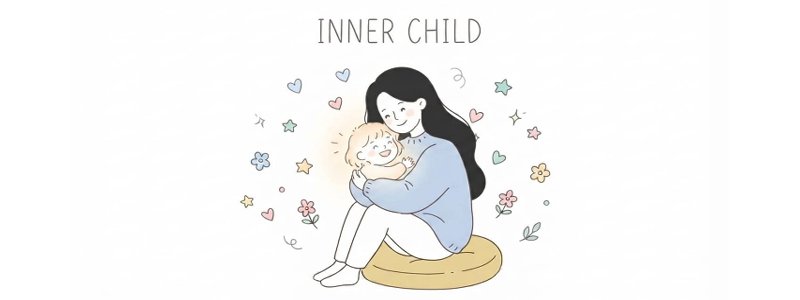
“内在小孩”(inner child)一词,近年在心理咨询与自我成长领域中频繁出现,然而许多人对它的理解,往往停留在字面上的浪漫想像──仿佛每个人心中都住着一个纯真烂漫、渴望被拥抱的孩童形象。这样的认知固然讨喜,却也在某种程度上稀释了这个概念原本所指涉的心理现实。
从发展心理学与精神分析的角度而言,“内在小孩”并非一个实体存在的人格,而是一种隐喻,用以描述个体在童年时期未被充分处理、消化的情绪经验──尤其是那些与依附关系、安全感、被接纳与否密切相关的经验──如何以潜在的方式,持续影响成年后的认知模式与人际互动。举例而言,一个在幼年时期屡屡因表达需求而遭受忽视甚至斥责的人,成年后可能在亲密关系中,无意识地回避提出自身需求,并将这种回避合理化为“独立”或“不想麻烦别人”。表面上看来,这是成熟稳重的性格特质,实则是童年经验在潜意识层面留下的因应机制,持续运作至今。
值得留意的是,坊间许多自我疗愈论述,往往将“疗愈内在小孩”简化为一套操作流程:透过冥想、书信、对话练习,便足以“安抚”那个受伤的孩童,仿佛情绪创伤可以像处理待办事项般,一经完成便告终结。这种论述固然提供了入门途径,却也容易让人误以为,只要完成特定仪式,过往经验对自身的影响便能彻底消解。事实上,真正的心理工作往往更为缓慢且反复──个体需要在一次次的生活情境中,重新觉察那些自动化的反应模式从何而来,进而逐步松动、而非一劳永逸地“治愈”它们。
换言之,“内在小孩”这个概念的价值,或许不在于它提供了一个可以被安抚、被治愈的具体对象,而在于它为我们提供了一种回溯性的理解框架──让我们得以在面对某些看似不合比例的情绪反应时,追问其根源,而非仅止于评判当下行为的合理与否。唯有如此,这个原本充满温情色彩的概念,才不至于流于一种心理学包装下的自我安慰,而能真正发挥其反思与转化的作用。
“Nèizài xiǎohái” (inner child) yì cí, jìnnián zài xīnlǐ zīxún yǔ zìwǒ chéngzhǎng lǐngyù zhōng pínfán chūxiàn, rán’ér xǔduō rén duì tā de lǐjiě, wǎngwǎng tíngliú zài zìmiàn shàng de làngmàn xiǎngxiàng — fǎngfú měi ge rén xīnzhōng dōu zhùzhe yí ge chúnzhēn lànmàn, kěwàng bèi yǒngbào de háitóng xíngxiàng. Zhèyàng de rènzhī gùrán tǎoxǐ, què yě zài mǒu zhǒng chéngdù shàng xīshì le zhège gàiniàn yuánběn suǒ zhǐshè de xīnlǐ xiànshí.
Cóng fāzhǎn xīnlǐxué yǔ jīngshén fēnxī de jiǎodù ér yán, “nèizài xiǎohái” bìngfēi yí ge shítǐ cúnzài de réngé, ér shì yì zhǒng yǐnyù, yòng yǐ miáoshù gètǐ zài tóngnián shíqī wèi bèi chōngfèn chǔlǐ, xiāohuà de qíngxù jīngyàn — yóuqí shì nàxiē yǔ yīfù guānxì, ānquángǎn, bèi jiēnà yǔfǒu mìqiè xiāngguān de jīngyàn — rúhé yǐ qiánzài de fāngshì, chíxù yǐngxiǎng chéngnián hòu de rènzhī móshì yǔ rénjì hùdòng. Jǔlì ér yán, yí ge zài yòunián shíqī lǚlǚ yīn biǎodá xūqiú ér zāoshòu hūshì shènzhì chìzé de rén, chéngnián hòu kěnéng zài qīnmì guānxì zhōng, wúyìshí de huíbì tíchū zìshēn xūqiú, bìng jiāng zhè zhǒng huíbì hélǐhuà wéi “dúlì” huò “bùxiǎng máfan biérén.” Biǎomiàn shàng kànlái, zhè shì chéngshú wěnzhòng de xìnggé tèzhì, shízé shì tóngnián jīngyàn zài qiányìshí céngmiàn liúxià de yīnyìng jīzhì, chíxù yùnzuò zhìjīn.
Zhídé liúyì de shì, fāngjiān xǔduō zìwǒ liáoyù lùnshù, wǎngwǎng jiāng “liáoyù nèizài xiǎohái” jiǎnhuà wéi yí tào cāozuò liúchéng: tòuguò míngxiǎng, shūxìn, duìhuà liànxí, biàn zúyǐ “ānfǔ” nàge shòushāng de háitóng, fǎngfú qíngxù chuāngshāng kěyǐ xiàng chǔlǐ dàibàn shìxiàng bān, yì jīng wánchéng biàn gào zhōngjié. Zhè zhǒng lùnshù gùrán tígōng le rùmén tújìng, què yě róngyì ràng rén wù yǐwéi, zhǐyào wánchéng tèdìng yíshì, guòwǎng jīngyàn duì zìshēn de yǐngxiǎng biàn néng chèdǐ xiāojiě. Shìshí shàng, zhēnzhèng de xīnlǐ gōngzuò wǎngwǎng gèngwéi huǎnmàn qiě fǎnfù — gètǐ xūyào zài yí cì cì de shēnghuó qíngjìng zhōng, chóngxīn juéchá nàxiē zìdònghuà de fǎnyìng móshì cóng hé ér lái, jìn’ér zhúbù sōngdòng, ér fēi yìláoyǒngyì de “zhìyù” tāmen.
Huàn yán zhī, “nèizài xiǎohái” zhège gàiniàn de jiàzhí, huòxǔ bú zàiyú tā tígōng le yí ge kěyǐ bèi ānfǔ, bèi zhìyù de jùtǐ duìxiàng, ér zàiyú tā wèi wǒmen tígōng le yì zhǒng huísùxìng de lǐjiě kuàngjià — ràng wǒmen déyǐ zài miànduì mǒuxiē kànsì bùhé bǐlì de qíngxù fǎnyìng shí, zhuīwèn qí gēnyuán, ér fēi jǐn zhǐyú píngpàn dāngxià xíngwéi de hélǐ yǔfǒu. Wéiyǒu rúcǐ, zhège yuánběn chōngmǎn wēnqíng sècǎi de gàiniàn, cái bú zhìyú liúyú yì zhǒng xīnlǐxué bāozhuāng xià de zìwǒ ānwèi, ér néng zhēnzhèng fāhuī qí fǎnsī yǔ zhuǎnhuà de zuòyòng.
The term “inner child” has appeared frequently in recent years in the fields of psychological counseling and self-growth, yet many people’s understanding of it tends to stay at the level of a romantic, literal image — as if everyone carries inside them a pure, innocent child longing to be embraced. While this understanding is appealing, it also, to some extent, dilutes the psychological reality the concept was originally meant to describe.
From the perspective of developmental psychology and psychoanalysis, the “inner child” is not a literal, separately existing personality, but rather a metaphor used to describe how emotional experiences from childhood that were never fully processed or digested — especially those closely tied to attachment, a sense of security, and whether one felt accepted — continue to influence, in latent ways, one’s patterns of cognition and interpersonal interaction in adulthood. For example, someone who was repeatedly ignored or even scolded as a child for expressing their needs may, as an adult, unconsciously avoid expressing their own needs in intimate relationships, rationalizing this avoidance as “independence” or “not wanting to trouble others.” On the surface, this looks like a mature, steady personality trait, but it is in fact a coping mechanism laid down by childhood experience at the subconscious level, one that continues to operate to this day.
It’s worth noting that much popular self-healing discourse tends to simplify “healing the inner child” into a set procedure: through meditation, letter-writing, or dialogue exercises, one supposedly can “soothe” that wounded child, as if emotional trauma could be handled like an item on a to-do list, concluded once completed. While such discourse does offer an accessible starting point, it can also mislead people into thinking that once a certain ritual is completed, the influence of past experience can be entirely dissolved. In reality, genuine psychological work tends to be slower and more repetitive — individuals need to repeatedly become aware, in real-life situations, of where their automatic reaction patterns come from, gradually loosening their grip rather than “curing” them once and for all.
In other words, the value of the “inner child” concept may not lie in offering a concrete object that can be soothed or healed, but rather in providing us with a retrospective framework for understanding — one that allows us, when facing emotional reactions that seem disproportionate, to trace their roots rather than simply judge whether the present behavior is reasonable. Only in this way can this concept, originally full of warmth, avoid becoming a kind of self-consolation dressed up in psychological packaging, and instead truly serve its purpose of reflection and transformation.
Comprehension Questions
作者在首段提及大眾對「內在小孩」的「浪漫想像」,其主要用意是什麼?作者在首段提及大众对“内在小孩”的“浪漫想像”,其主要用意是什么?
根據第二段,「內在小孩」在心理學脈絡中具體所指為何?根据第二段,“内在小孩”在心理学脉络中具体所指为何?
文中舉「迴避提出需求並合理化為獨立」的例子,主要是為了說明什麼?文中举“回避提出需求并合理化为独立”的例子,主要是为了说明什么?
作者對「坊間許多自我療癒論述」抱持怎樣的態度?作者对“坊间许多自我疗愈论述”抱持怎样的态度?
第三段中,作者以「處理待辦事項」作比喻,這個比喻所要凸顯的問題是什麼?第三段中,作者以“处理待办事项”作比喻,这个比喻所要凸显的问题是什么?
根據末段,作者認為「內在小孩」這個概念真正的價值在於何處?根据末段,作者认为“内在小孩”这个概念真正的价值在于何处?
Did this lesson help you? 🙂
If you enjoyed practicing with this page, consider buying me a coffee — it helps keep new lessons like this one coming.
☕ Buy me a coffee