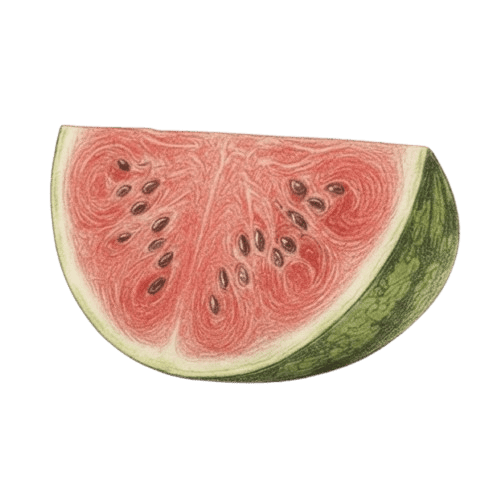
Chigua
动词 V.
Literally meaning “to eat watermelon,” this widely used internet slang refers to being an innocent bystander or spectator who is watching public gossip, celebrity drama, or online controversies unfold.
When you are “eating watermelon,” you are just sitting back, enjoying the show, and keeping yourself updated on the latest drama without taking sides or getting personally involved.
例句
对话
辨析
People often confuse different ways to talk about gossip and watching drama. Here is how they compare:
| Term | What it actually means | Tone |
|---|---|---|
| 吃瓜chīguā | Being an onlooker or bystander watching gossip without getting involved | Casual, humorous internet slang |
| 凑热闹còu rènnao | Joining in on a lively activity, crowd, or commotion out of curiosity | Colloquial, everyday expression |
| 八卦bāguà | Gossip or rumors about people’s private lives | Everyday, common noun/verb |
| 看戏kàn xì | Watching a situation unfold as a detached spectator | Casual expression |
The quick test: 吃瓜 describes watching online drama from the sidelines, 凑热闹 is joining a lively scene out of curiosity, 八卦 is the gossip itself, and 看戏 means watching the spectacle unfold.
快闪卡
Tap a card to flip it.
跨语言
The fun of watching drama and gossip from the sidelines exists in Korean and Japanese as well.
It’s someone else’s fight, so I’ll just sit back with popcorn and watch.
Watching someone else’s trouble safely from the sidelines.
有瓜? yǒuguā? = Any juicy gossip?
瓜很大 guāhěndà = the story is really juicy
瓜来了 guā lái le = Here comes some new gossip!
瓜吃完了 guā chīwánle = The drama is over

