Chinese Festivals · 中国节日
Double Ninth Festival
重阳节 chóngyángjié
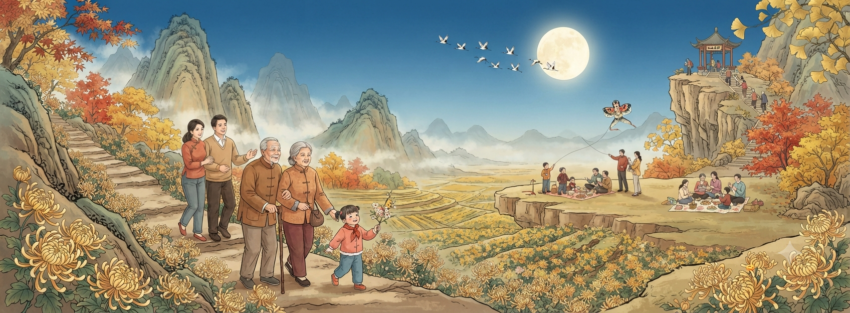
重阳节 chóngyángjié falls on the ninth day of the ninth lunar month, usually in October. It’s a day for climbing mountains, admiring chrysanthemums, and — in its modern form — honoring the elderly.
Why “double yang”?
In classical Chinese numerology, odd numbers belong to 阳 yáng, and even numbers belong to 阴 yīn. Nine is the largest single-digit odd number, making it the most intensely 阳 yáng number there is. The ninth day of the ninth month stacks two of them together. Hence 重阳 chóngyáng, “double yang” or “doubled sunlight.”
That much 阳 energy was traditionally seen as a little dangerous, almost too intense. Many of the day’s customs grew out of that idea. They’re ways to stay balanced and protected on a day considered unusually potent.
桓景 Huán Jǐng and the plague demon
According to legend, a man named 桓景 Huán Jǐng studied under a powerful master, 费长房 Fèi Chángfáng. One day, his master gave him a warning. On the ninth day of the ninth month, disaster would strike his home village in the form of a plague demon.
Fèi Chángfáng gave him a plan. Huán Jǐng should lead his family up a nearby mountain. Each person should wear a sachet of 茱萸 zhūyú, dogwood, and drink a cup of 菊花酒 júhuājiǔ, chrysanthemum wine.
Huán Jǐng followed the instructions exactly. When the family came back down that evening, they found all their livestock dead. The demon had struck as promised, and taken the animals in their place. The family themselves were untouched.
That story is why, to this day, people still climb to high places. They wear dogwood and drink chrysanthemum wine on 重阳节.
Four traditions from the legend
登高 dēnggāo
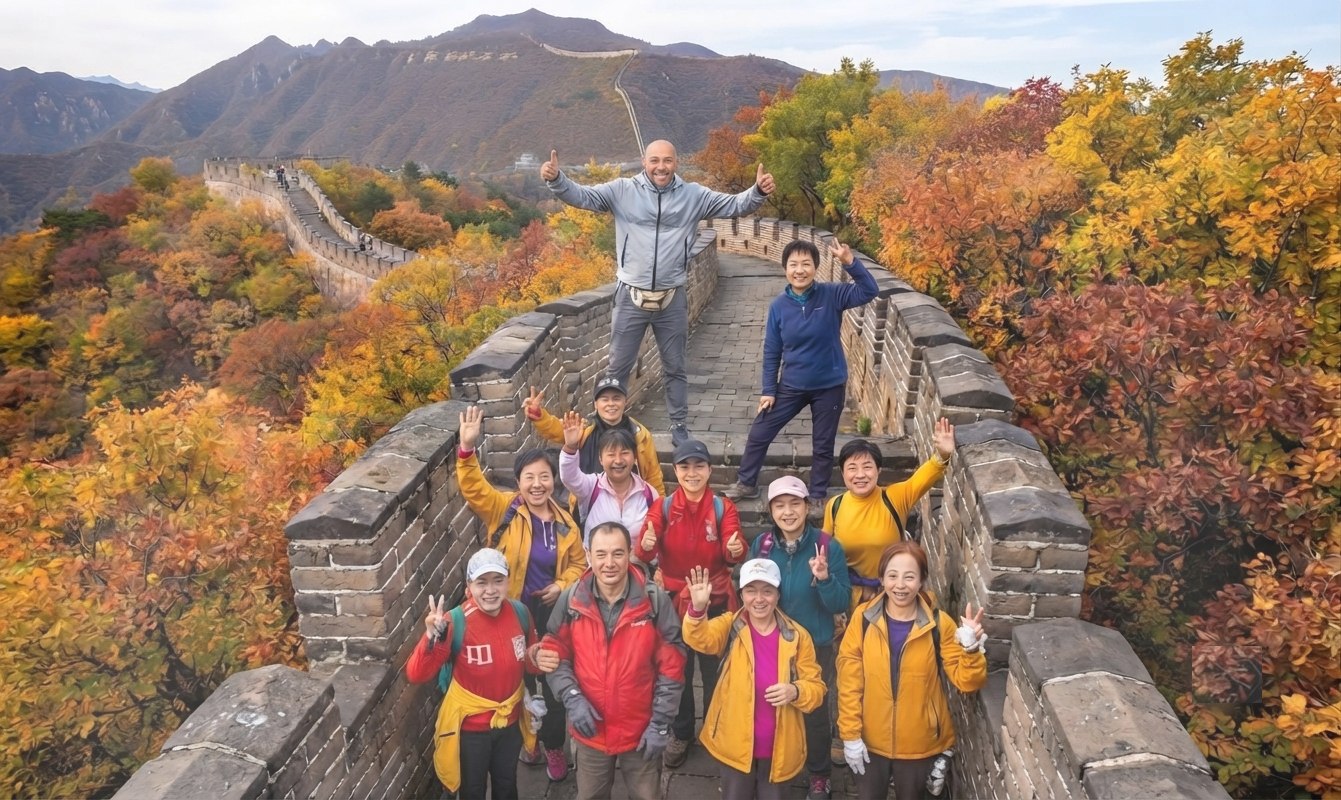
Climbing a mountain or any high place. It echoes the way Huán Jǐng’s family escaped disaster by heading uphill for the day.
赏菊 shǎngjú
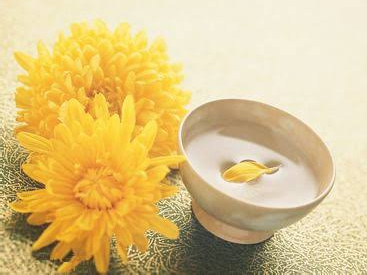
Chrysanthemums bloom right around this time of year. Viewing them — and drinking 菊花酒 júhuājiǔ, chrysanthemum wine — became part of the day, said to support long life.
佩茱萸 pèi zhūyú
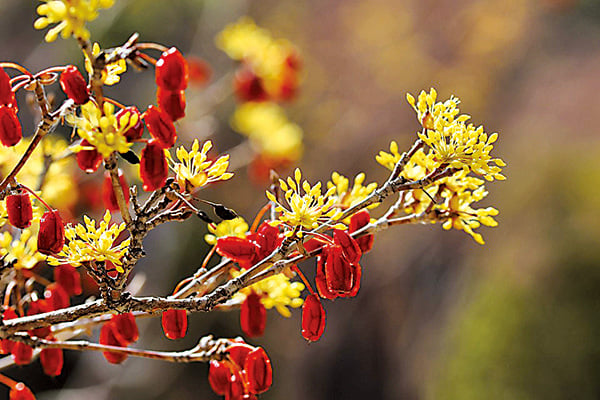
Wearing a small sachet of dogwood, believed to ward off evil and illness. It’s the same protective role it played in the original legend.
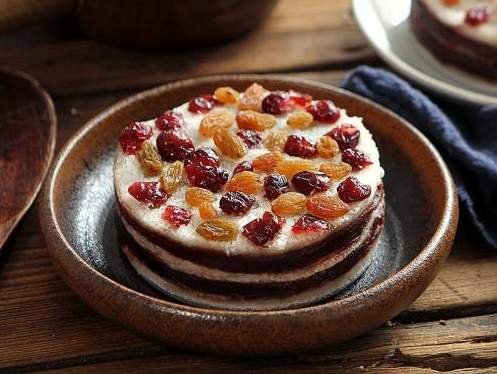
重阳糕 chóngyánggāo
A layered cake eaten on the day. 糕 gāo, “cake,” sounds identical to 高 gāo, “high.” It’s a tasty stand-in for anyone who can’t make it up a mountain that day.
老人节 lǎorén jié
重阳节 has taken on a second identity in modern times. Since “nine” also symbolizes long life in Chinese culture, the date became a natural fit for honoring the elderly. China formally designated it 老年节 lǎonián jié in law in 2013. Taiwan calls it 敬老节 jìnglǎo jié, “Respect for the Elderly Day.”
In practice, that means grandchildren visiting grandparents, and community centers hosting events for seniors. Every year, without fail, it also means a wave of politicians photographed visiting nursing homes.
There’s a very practical reason seniors tend to be in a good mood around this time in Taiwan. Many local governments hand out a 敬老津贴 jìnglǎo jīntiē, an “elderly respect allowance,” a small cash gift or subsidy given to residents once they reach a certain age. It’s often timed around 重阳节, which makes the holiday just a little sweeter for the people it’s actually meant to honor.
Missing family from far away
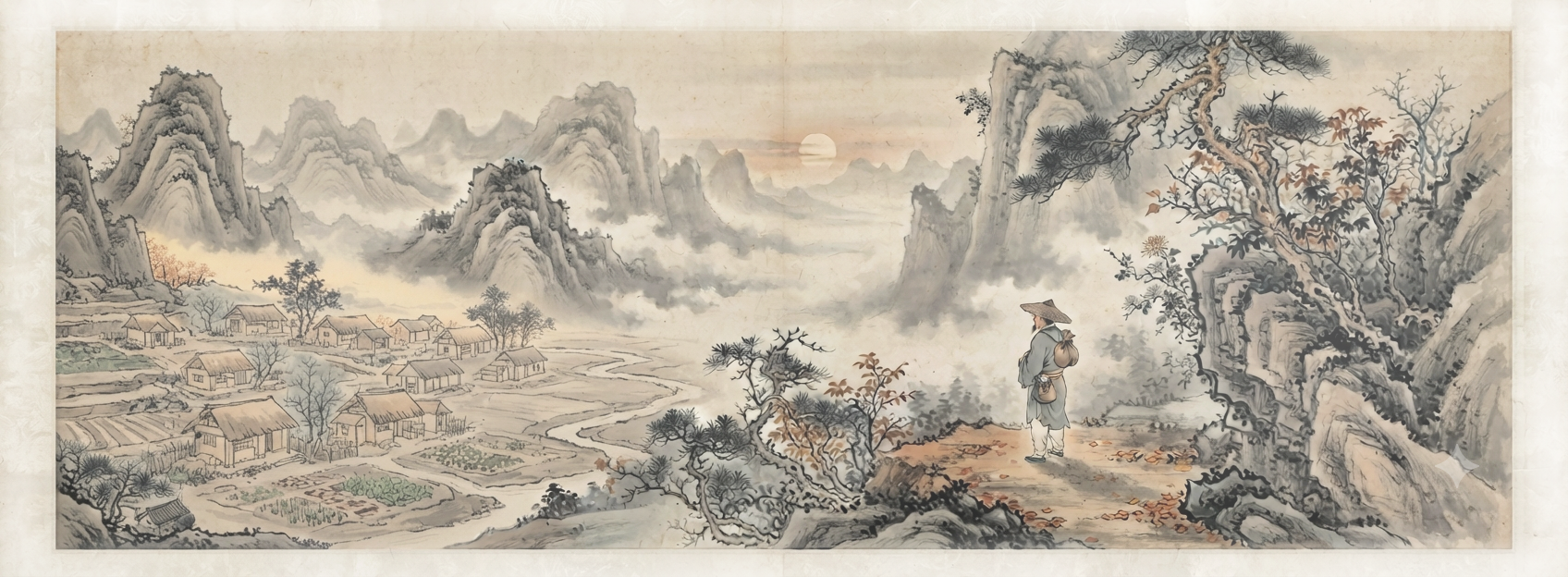
重阳节 is deeply tied to family — climbing together, drinking together, honoring elders together. That’s part of why one of the most famous poems about the festival is about being apart from family instead. It was written by the Tang dynasty poet 王维 Wáng Wéi, while away from home for the festival himself.
独在异乡为异客,
Dú zài yìxiāng wéi yìkè,
每逢佳节倍思亲。
měi féng jiājié bèi sī qīn.
“Alone, a stranger in a strange land —
every festival doubles my longing for family.”
Those two lines are still quoted constantly today, by anyone missing home during a holiday — not just this one.
Japan’s version
One of Japan’s five seasonal sekku festivals, also called the Chrysanthemum Festival. It shares the same date and flower, though the mountain-climbing and dogwood traditions never really took hold there.

