Chinese Festivals · 中国节日
Tomb-Sweeping Day
清明节 qīngmíngjié
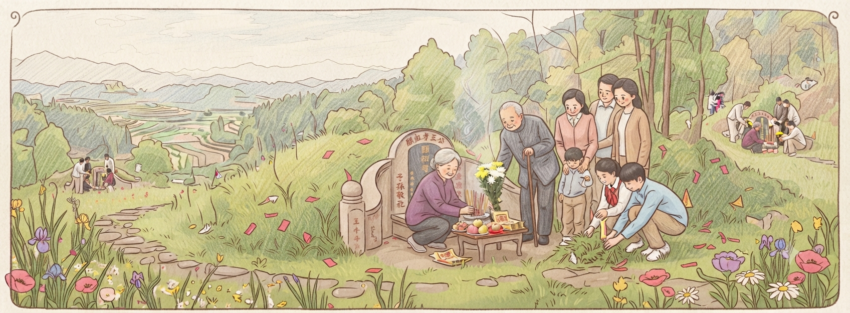
清明节 qīngmíngjié falls in early April, when families visit their ancestors’ graves to clean, weed, and pay respects — one of the few Chinese festivals set by the sun rather than the moon.
What is 清明节?
清明 qīngmíng literally means “clear and bright” — it’s one of the 二十四节气 èrshísì jiéqì, the 24 solar terms that divide the farming year by the sun’s position, not the moon. That’s why it doesn’t drift around the calendar the way 过年 does — it lands on the same few days every year, usually April 4th, 5th, or 6th.
The name describes the season itself: after weeks of cold, hazy weather, the skies clear and the air turns fresh and bright — a natural moment, long before it was a holiday, for the living to go out and visit the dead.
扫墓 sǎomù — tomb sweeping
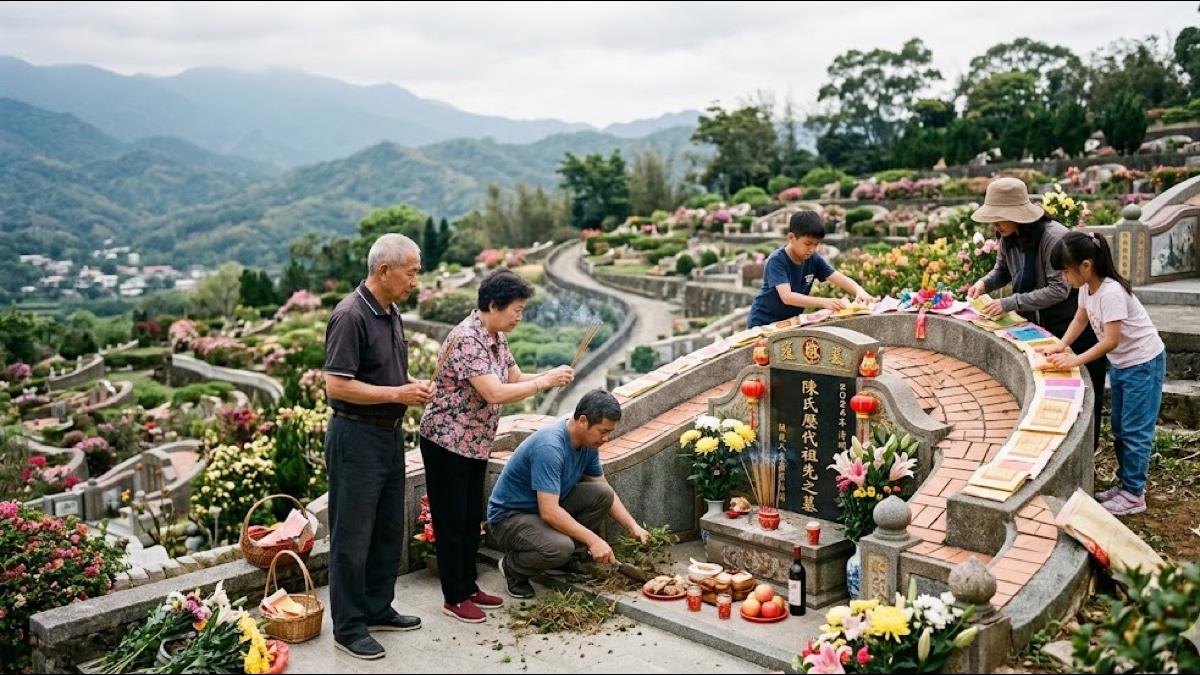
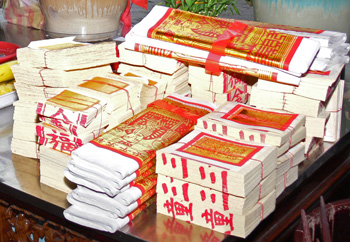
The heart of the festival is a family visit to the ancestral grave. Together, families clear away weeds and fallen leaves, sweep and tidy the gravestone, and lay out offerings — incense, flowers, favorite foods of the deceased, and 纸钱 zhǐqián, “spirit money” burned so ancestors have what they need in the afterlife.
It’s a quiet, practical kind of respect rather than a mournful one — more like tidying a relative’s house before a visit than a funeral. Older family members often use the occasion to tell younger ones about relatives they never got to meet.
扫墓做哪些事? — What do people do during tomb sweeping?
A typical grave visit follows a loose order, though families vary in exactly how they do it:
除草整理 chúcǎo zhěnglǐ
Clearing weeds and overgrowth, and generally tidying up the grave site.
打扫墓碑 dǎsǎo mùbēi
Wiping down and cleaning the tombstone itself, sometimes touching up the engraved lettering.
献花上香 xiànhuā shàngxiāng
Offering flowers and lighting incense, then bowing to pay respects.
准备供品 zhǔnbèi gòngpǐn
Laying out food offerings — often dishes the deceased enjoyed while living.
烧纸钱 shāo zhǐqián
Burning spirit money so ancestors have what they need in the afterlife.
挂纸 guà zhǐ
A distinctly Taiwanese step — weighting down strips of colored paper along the grave mound, a visible sign to others that this grave has been tended this year.
介之推 Jiè Zhītuī & 寒食节 Hánshíjié
介之推 was a loyal minister who once cut flesh from his own leg to feed his starving prince in exile. Years later, when that prince became a duke, he forgot to reward the man who had saved him. Ashamed, he sent men to fetch Jiè from the mountains where he’d retired — but Jiè refused to leave, so the duke’s men set the mountainside on fire, hoping to smoke him out.
Jiè died in the fire rather than accept a reward he no longer wanted. Wracked with guilt, the duke ordered that no fires be lit on the anniversary of his death — only cold food could be eaten. That day became 寒食节 Hánshíjié, the Cold Food Festival, which fell right beside 清明 on the calendar. Over the centuries the two days quietly merged into one.
Today the “no fire” rule has mostly faded, but its ghost lingers in a couple of the festival’s cold, portable foods — dishes originally invented so families could eat well without lighting a stove.
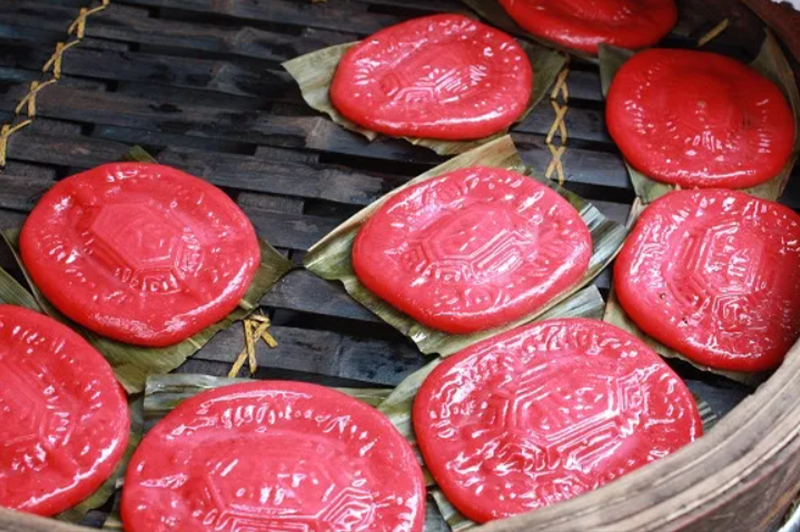
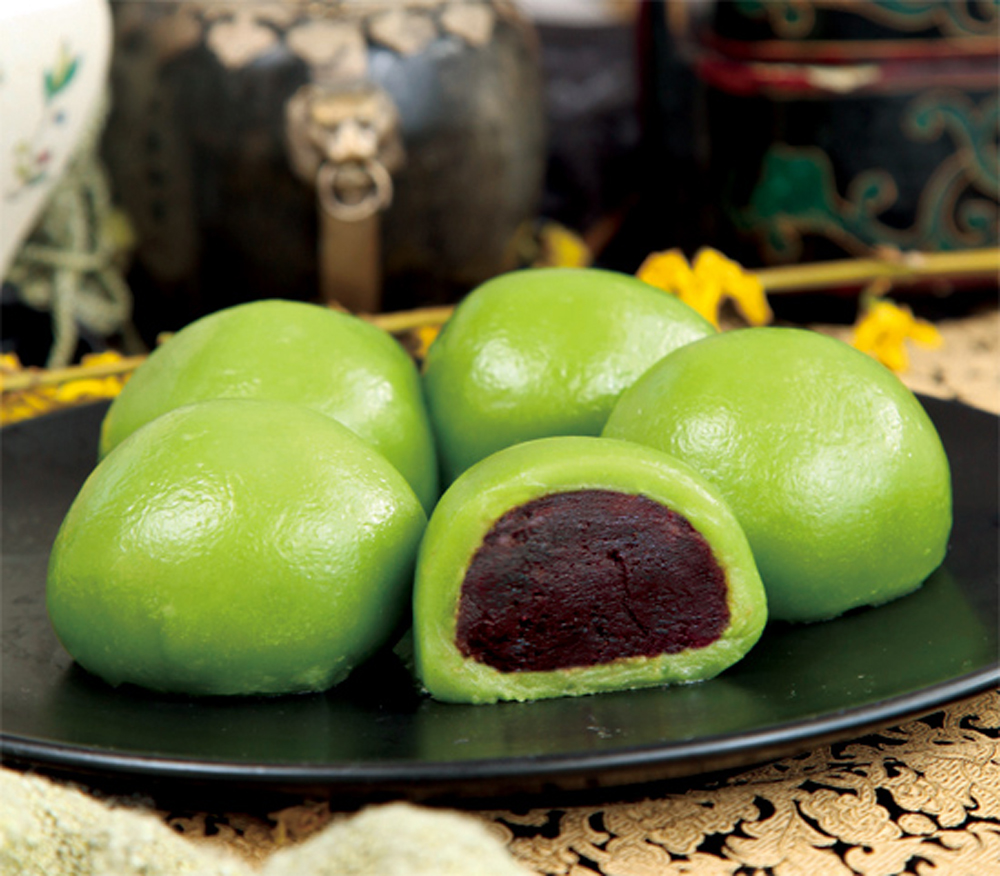
润饼、红龟粿 & 青团
A few very different regional dishes show up around this holiday, each for its own reason:
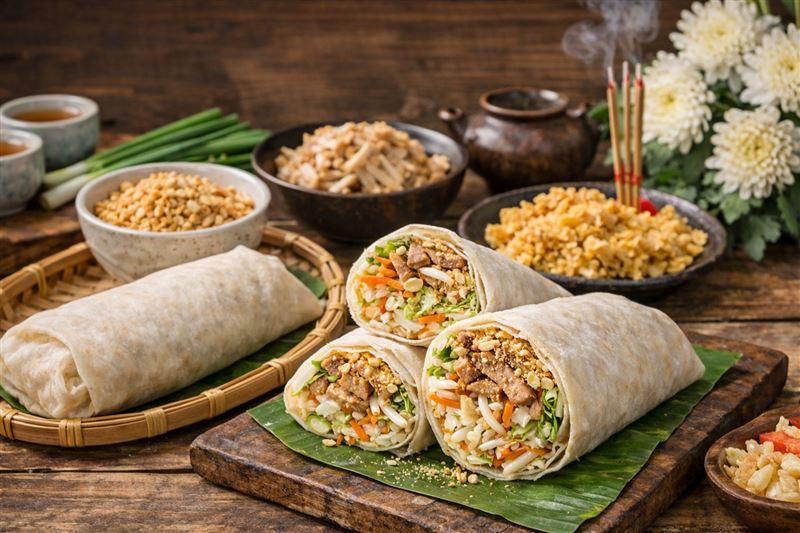
Taiwan’s version of the cold-food tradition — a thin, soft wheat wrapper rolled around shredded vegetables, egg, tofu, and meat, eaten cold or just barely warm. Popular at Qingming family gatherings island-wide.
A red, turtle-shaped glutinous rice cake, traditionally eaten after leaving the grave to clear away any lingering bad luck — the red color and turtle shape both stand for protection and long life.
The Jiangnan (southern China) version — a bright green glutinous rice ball, colored and flavored with mugwort or barley grass juice, usually filled with sweet red bean paste.
Spring customs
Because 清明 lands right as spring is settling in, it was never only about grief — historically it doubled as one of the year’s first good excuses to get outside.
踏青 tàqīng
Literally “stepping on greenery” — a spring outing to the countryside, often combined with the trip to the family grave.
插柳 chā liǔ
Tucking a fresh willow branch above the doorway or wearing one in your hair — an old custom believed to ward off wandering spirits during this in-between season.
放风筝 fàng fēngzheng
Kite flying — some families would write troubles or bad luck on the kite, then cut the string once it was high in the air, letting it carry the ill fortune away.

