鱼Fish in Chinese
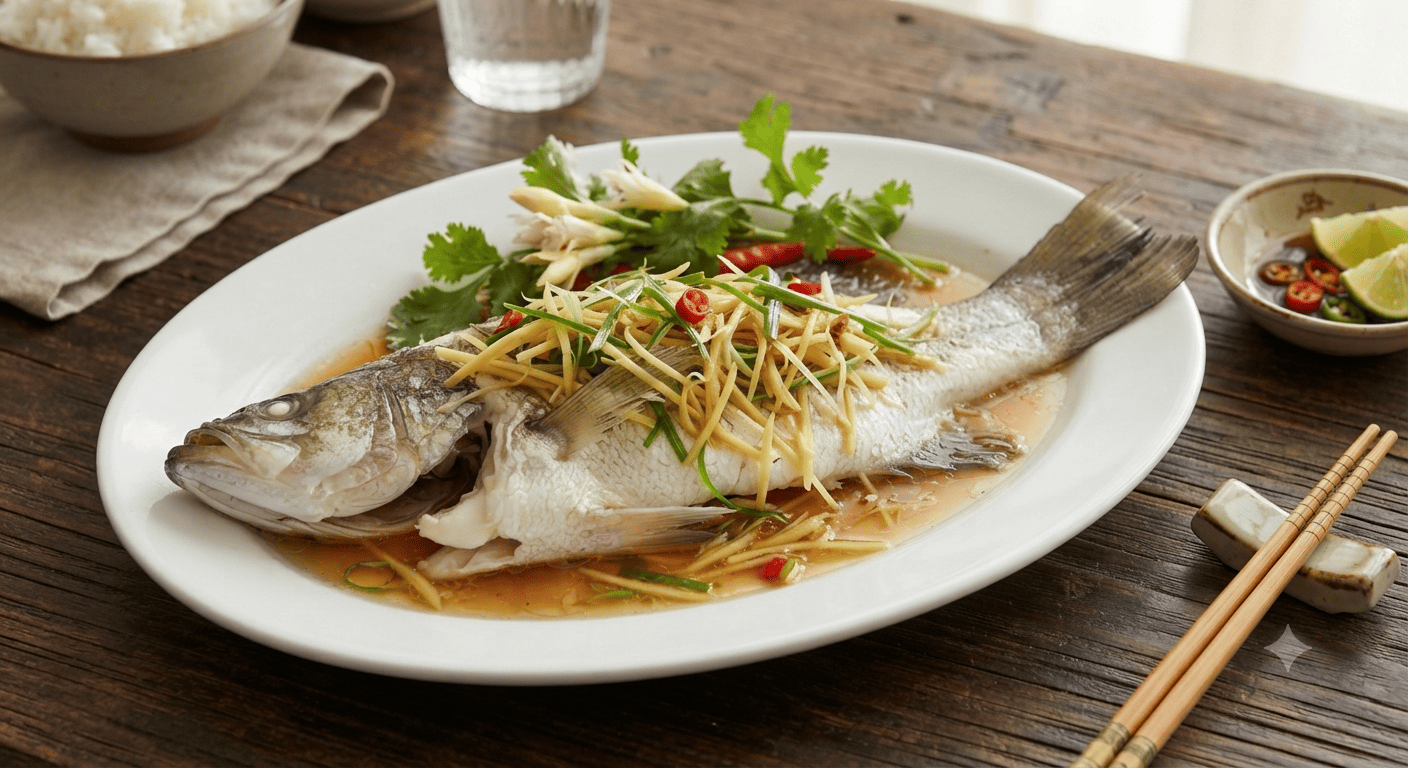
A restaurant once offered free sushi to anyone with “salmon” in their Chinese name — and it went about as well as you’d expect. Work through twenty kinds of fish, a sushi/sashimi vocabulary bonus, and how to order at a fish counter.
The great salmon-name incident
Anyone in Taiwan whose legal name contained the character for 鮭魚三文鱼 (“salmon”) could get free sushi at one promotion — so hundreds of people legally changed their names to include it. The catch: Taiwanese law only allows a name change twice in a lifetime, and without a change to that rule, some of those people are stuck permanently with names along the lines of “Salmon Dream” or “Dancing Salmon.”
Twenty Kinds of Fish
Most names line up across the strait, but a handful — tuna, cutlassfish, whitebait, tilapia — are genuinely different words in Taiwan versus China, not just script variants.
| Chinese | English | Korean | Japanese |
|---|
* Whitebait’s Taiwan reading is marked because it’s usually said in Taiwanese, not Mandarin — see below.
One fish that’s rarely said in Mandarin at all
魩仔魚小鲱鱼 (whitebait) is one of the rare cases where the everyday word in Taiwan isn’t Mandarin at all — it’s almost always said in Taiwanese instead. Press play to hear it:
Fish Parts
All identical across the strait — only the script itself changes.
| Chinese | English | Korean | Japanese |
|---|
Why Fish Isn’t a Date-Night Order
Kids fighting over the eye
A lot of Taiwanese kids grow up genuinely fighting over who gets the 魚眼鱼眼 at the dinner table. Part of it is texture — the eye’s gelatinous, collagen-rich softness is a real treat next to the rest of the flesh. Part of it is an old folk belief, “以形補形” (yǐ xíng bǔ xíng, “shape nourishes shape”) — the idea that eating an eye is good for your own eyesight.
The whole fish, bones and all
In Taiwan, fish is normally served whole — head, tail, fins, bones intact — rather than pre-deboned into a boneless fillet the way it’s usually plated at a Western restaurant. That means eating it well takes some skill: picking around fine bones with chopsticks while keeping the meat intact. It’s a satisfying skill once you’ve got it, but it’s also exactly why fish rarely makes the shortlist for a first date — nobody wants to be the one fishing a bone out of their mouth mid-conversation.
Sushi & Sashimi Vocabulary
The words you’ll actually need once the fish is on a plate rather than in the water. For the wider world of Japanese food terms in Chinese, see Japanese Food in Chinese.
Ordering at the Fish Counter
Swap in any fish from the table above into these patterns.

