了2 — Sentence-Final 了 (New Situation)
了2 le sits at the very end of the sentence and says: things are different now than they were before. This article also covers how it teams up with direction verbs, and how it lets even “unfinishable” state verbs express change.
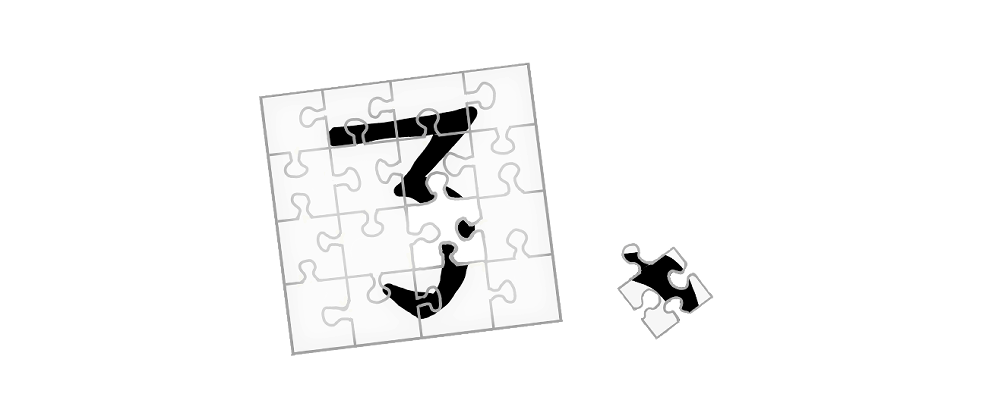
了2 doesn’t care whether an action is “finished” the way 了1 does — it only cares whether the overall situation has changed. That’s why it can attach to state verbs like 是/在/有 that 了1 can never touch.
1S + V + (O) + 了2
了2 goes at the very end of the sentence — right before a final particle like 吗 ma if one is present — and means things are different now than they were before.
Questions with 了2
2下雨了 vs 下了雨
Same three characters, rearranged — and the meaning shifts from “a new situation” to “a completed action.” This is the clearest way to feel the difference between 了2 and 了1.
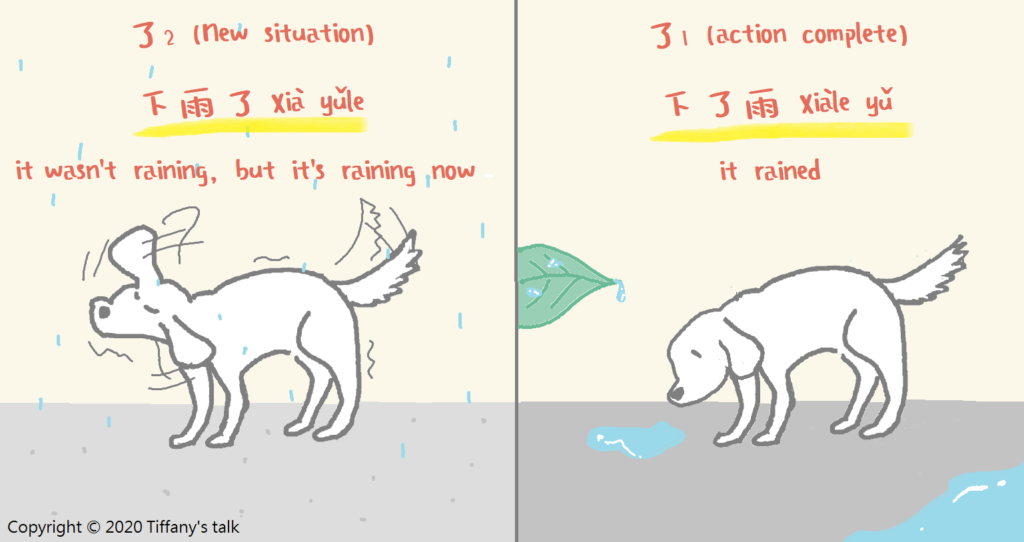
下雨了 Xià yǔ le — 了2, a new situation: it has started raining (it wasn’t raining before).
下了雨 Xià le yǔ — 了1, a completed action: the raining is done, usually followed by the rest of the sentence, e.g. “after it rained…”
3Five Sentences Compared
Same core words, five different questions — this is the clearest way to see what 了2 actually contributes.
| Sentence | Meaning |
|---|---|
你喝咖啡嗎?你喝咖啡吗? |
Do you drink coffee? (a general habit, no 了) |
你喝了咖啡嗎?你喝了咖啡吗? |
Did you finish the coffee? (了1 — is the action done) |
你喝咖啡了嗎?你喝咖啡了吗? |
Have you had coffee (yet)? (了2 — has this happened by now) |
你要喝咖啡嗎?你要喝咖啡吗? |
Do you want to drink coffee? (present/near-future wish) |
你在喝咖啡嗎?你在喝咖啡吗? |
Are you drinking coffee right now? |
4了2 with Direction Verbs
Verbs of coming, going, and arriving pair naturally with 了2: the movement has now taken place, so the situation (“where someone is”) has changed.
我去中国了 Wǒ qù Zhōngguó le — 了2: I’ve gone to China (and that’s the current situation — I’m there now).
我去了中国 Wǒ qù le Zhōngguó — 了1: I went to China (a completed trip) — so I’m no longer there.
我到了 Wǒ dào le is usually short for something like 我到家了 “I’m home” — the object just gets dropped once it’s obvious from context. The 了 here is still 了2: it marks the new situation (“I’ve arrived”), not a bare completed action.
5State Verbs + 了2
是 shì, 在 zài, 姓 xìng, and 有 yǒu can never take 了1 — but they take 了2 easily, because a state can still change even though it can’t be “completed.”
6Practice
Translate each sentence into Chinese, then tap the card to check your answer.
Enjoyed this post? Buy me a coffee so I can keep writing more of these ☕
Support OneDotDot Chinese