Besides 只只 zhǐ, Chinese has other ways to say “only.” Two common ones are 光光 guāng and 僅僅仅仅 jǐnjǐn.
光光 guāng works in both casual and formal speech, and often hints that “only doing this” isn’t enough. 僅僅仅仅 jǐnjǐn is more formal. In their negative forms, 不光不光 bùguāng and 不僅不仅 bùjǐn mean “not only… but also….”
1Structure
S + 光光 guāng + V + O / Complement
Works in both casual and formal situations. It often implies that doing only this one thing isn’t enough.
他光吃肉,一點蔬菜也不吃他光吃肉,一点蔬菜也不吃
He only eats meat. He doesn’t eat any vegetables at all.
別光說不做别光说不做
Don’t just talk. Do something.
我光買這輛車就用完我全部的錢了我光买这辆车就用完我全部的钱了
Just buying this car used up all my money.
你光吃這碗飯能飽嗎?你光吃这碗饭能饱吗?
Can you get full eating just this bowl of rice?
他光是學中文就很頭痛了,你還要他學日文他光是学中文就很头痛了,你还要他学日语
Learning Chinese alone already gives him a headache, and you want him to learn Japanese too?
這份報告光解釋了問題,沒有提供解決方法这份报告光解释了问题,没有提供解决方法
This report only explains the problems. It doesn’t offer any solutions.
S + 僅僅仅仅 jǐnjǐn + V / Adj + O / Complement
Usually used in formal situations and writing. It stresses how small, short, or limited something is.
這次會議僅僅討論了其中的一個問題这次会议仅仅讨论了其中的一个问题
This meeting only discussed one of the issues.
雖然他僅僅是一個實習生,可是常常給我們很棒的想法虽然他仅仅是一个实习生,可是常常给我们很棒的想法
Although he’s only an intern, he often gives us great ideas.
這不僅僅是你個人的問題这不仅仅是你个人的问题
This isn’t only your own problem.
這個團隊僅僅由三個人組成,卻做出了十個人的結果这个团队仅仅由三个人组成,却做出了十个人的结果
This team has only three members, yet it got the results of ten people.
他竟然在僅僅一年中氣走了三位秘書他竟然在仅仅一年中气走了三位秘书
Unbelievably, he drove away three secretaries in just one year.
The negative forms mean “not only… but also….” The second part usually has 還还 hái, often with 而且而且 érqiě in front.
餃子,我不僅吃過,而且我還會做呢饺子,我不仅吃过,而且我还会做呢
Dumplings? Not only have I eaten them, I can make them too.
他不光沒去上班,而且還偷了公司的錢他不光没去上班,而且还偷了公司的钱
Not only did he skip work, he also stole money from the company.
媽媽不僅會賺錢,還很會投資妈妈不仅会挣钱,还很会投资
My mom doesn’t just know how to earn money, she’s also great at investing.
我不光會做川菜,還會做湘菜我不光会做川菜,还会做湘菜
I can cook not only Sichuan food but also Hunan food.
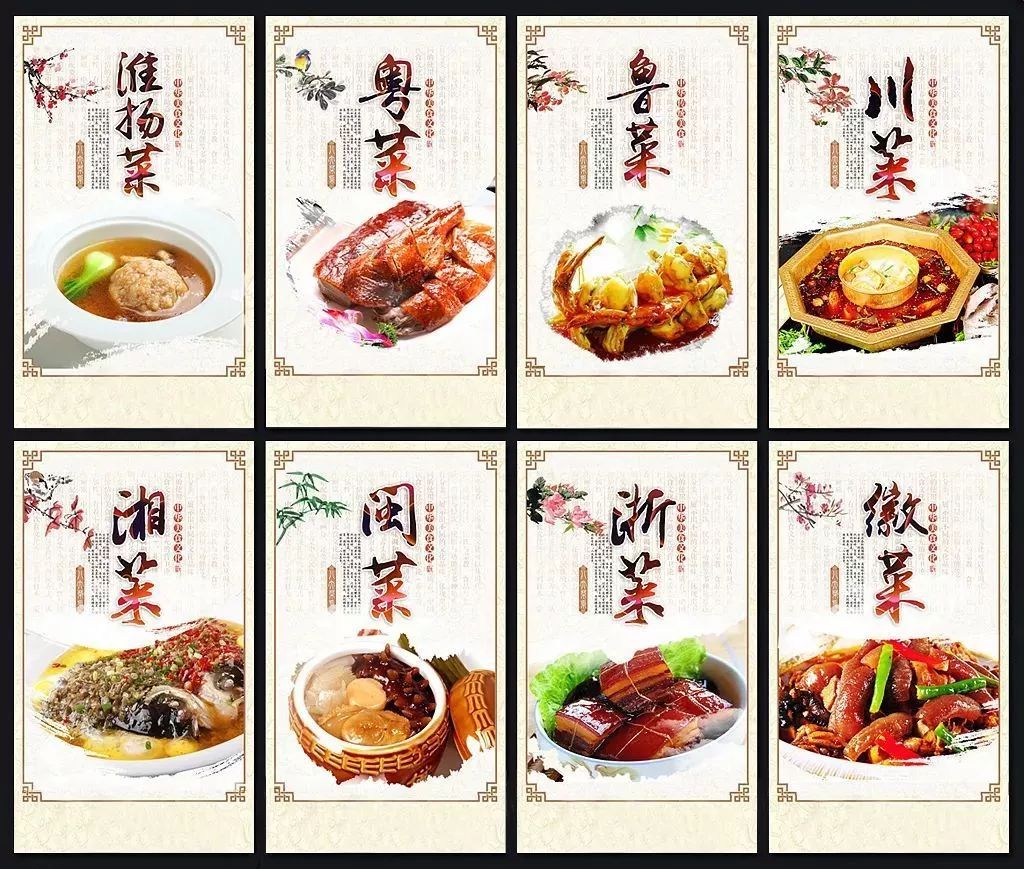
🥘 FYI: Chinese cuisines
Chinese cuisine is vast. Because of differences in geography, climate, customs, and local ingredients, many regional styles have developed, each with its own flavors and cooking methods. The most famous are the Eight Great Cuisines: Sichuan, Hunan, Cantonese, Fujian, Jiangsu, Zhejiang, Anhui, and Shandong. 🥟
2Common Mistakes
❌他吃光肉他吃光肉
✅他光吃肉他光吃肉
光光 guāng meaning “only” goes before the verb. After the verb, V + 光光 guāng is a result complement meaning “used up, all gone”: 吃光吃光 chīguāng = “ate it all.”
❌他不僅會說中文,但是還會說日文他不仅会说中文,但是还会说日语
✅他不僅會說中文,而且還會說日文他不仅会说中文,而且还会说日语
“Not only… but also” adds information, it doesn’t contrast. Use 而且而且 érqiě, not 但是但是 dànshì.
3Practice
Translate each sentence into Chinese, then tap the card to check your answer.
01You can’t learn a language well if you only read books and never speak.
你光看書不說話,是不可能學好語言的你光看书不说话,是不可能学好语言的。
👆 Tap to reveal
02How can you know if it’s true just by listening to one person?
光聽一個人說,怎麼知道是不是真的光听一个人说,怎么知道是不是真的?
👆 Tap to reveal
03I gained 3 kilos in just 5 days after coming to Taiwan.
我來台灣僅僅五天就胖了三公斤我来台湾仅仅五天就胖了三公斤。
👆 Tap to reveal
04Don’t just play games. Do your homework.
別光玩遊戲,去寫功課别光玩游戏,去写作业。
👆 Tap to reveal
05Just the plane ticket costs twenty thousand.
光機票就要兩萬塊光机票就要两万块。
👆 Tap to reveal
06The company was founded only three years ago.
這家公司成立僅僅三年这家公司成立仅仅三年。
👆 Tap to reveal
07She is not only pretty but also very smart.
她不僅很漂亮,而且還很聰明她不仅很漂亮,而且还很聪明。
👆 Tap to reveal
08This restaurant not only has good food, it’s also cheap.