猪肉Pork in Chinese
Pork carries more weight in Chinese cooking than any other meat — enough that 肉肉 (“meat”) on its own quietly defaults to pork in most recipes and menus. Work through ten cuts, the processed foods built from them, a few everyday dishes, and how to order.
Ten Cuts of Pork
Most cuts share the same name across the strait, but a few — like cut 3 and cut 10 below — go by completely different terms in Taiwan versus China. Click a number on the diagram to bring up its flashcard.
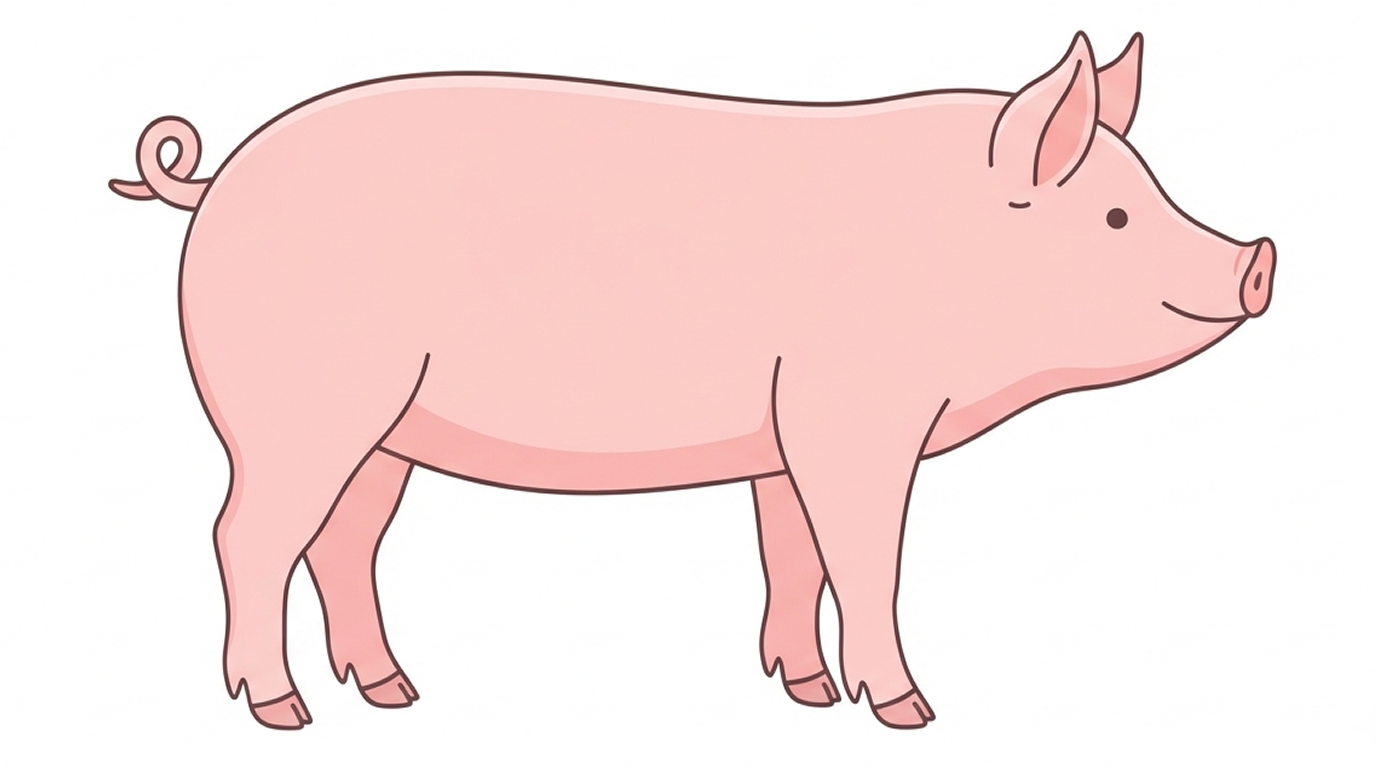
| # | Chinese | English | Korean | Japanese |
|---|
Processed Pork & Related Foods
What each cut typically becomes on its way to the table — hams, sausages, cured cuts, and more, grouped loosely by the raw cut they come from.
Everyday Pork Dishes
Since 肉肉 defaults to pork, these are some of the dishes it quietly points to.
Ordering at the Table
Swap in any cut, processed food, or dish from above into these patterns.
Why “Meat” Just Means Pork
The default meat of Chinese cuisine
Pork has been the backbone of Chinese meat cookery for so long that plenty of dish names simply say 肉肉 — “meat” — and everyone understands pork is meant, unless another animal is named. Beef, chicken, and lamb all get their own explicit character; pork is the unmarked default.
That’s part of why a bowl of 滷肉飯卤肉饭 — braised pork over rice — reads as such an everyday comfort dish in Taiwan: it’s just “meat rice,” not “pork rice.”

