Verbal Measure Words 1 — 口 kǒu, 回 huí, 遍 biàn, 声 shēng
Unlike the measure words you’ve seen so far, these four don’t count nouns — they count actions. They go right after the verb to say how many bites, times, or sounds something involved.
The pattern is Verb + 了 + Number + Measure Word (+ Object). These are called verbal measure words because they measure the action itself, not a noun.
1 Quick Reference
A cheat sheet before diving into examples.
| Word | Used For | Example Verbs |
|---|---|---|
| 口 kǒu | A mouthful — one bite or sip | eating, drinking |
| 回 huí | Times or occurrences (casual) | going somewhere, calling, explaining |
| 遍 biàn | Times, start to finish | reading, watching, repeating |
| 声 shēng | A single sound or cry | shouting, laughing, sighing |
2 Usage
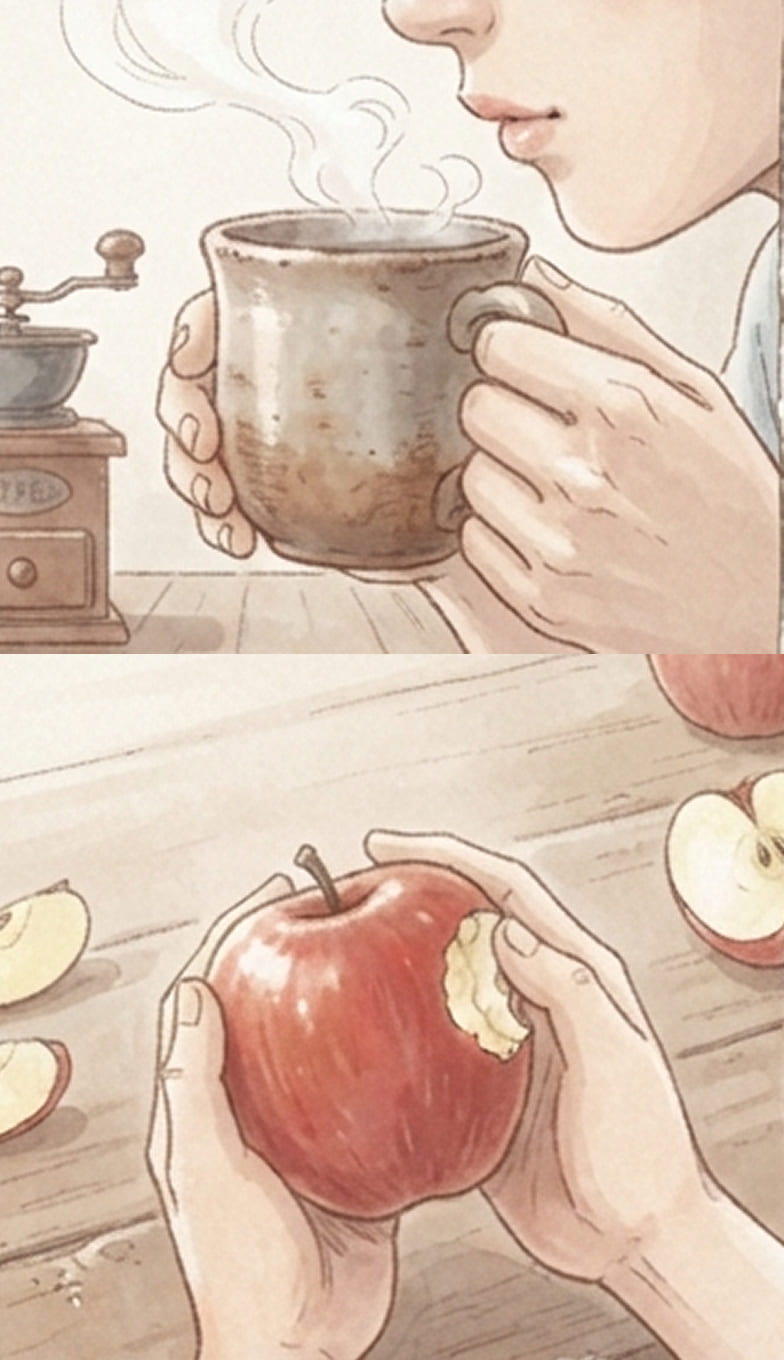
口 kǒu — A Mouthful or Sip
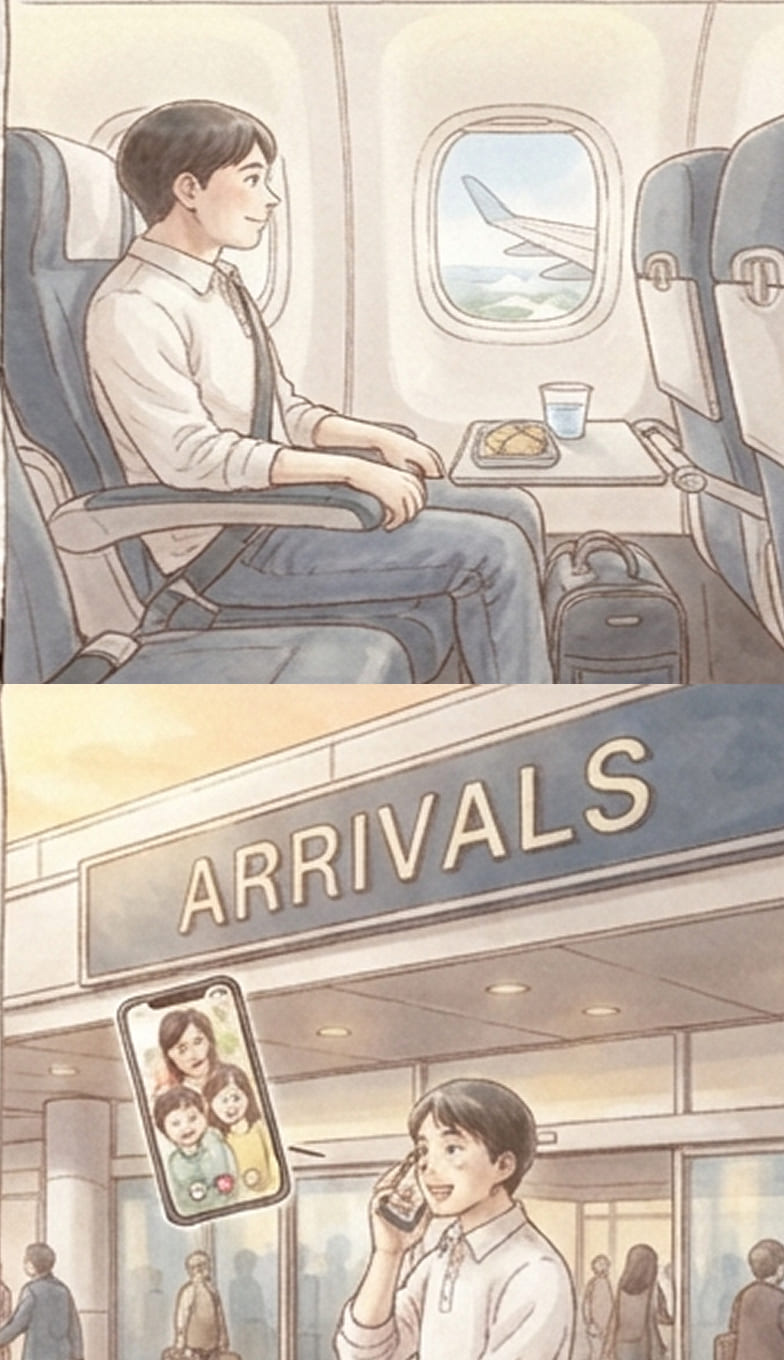
回 huí — Times or Occurrences
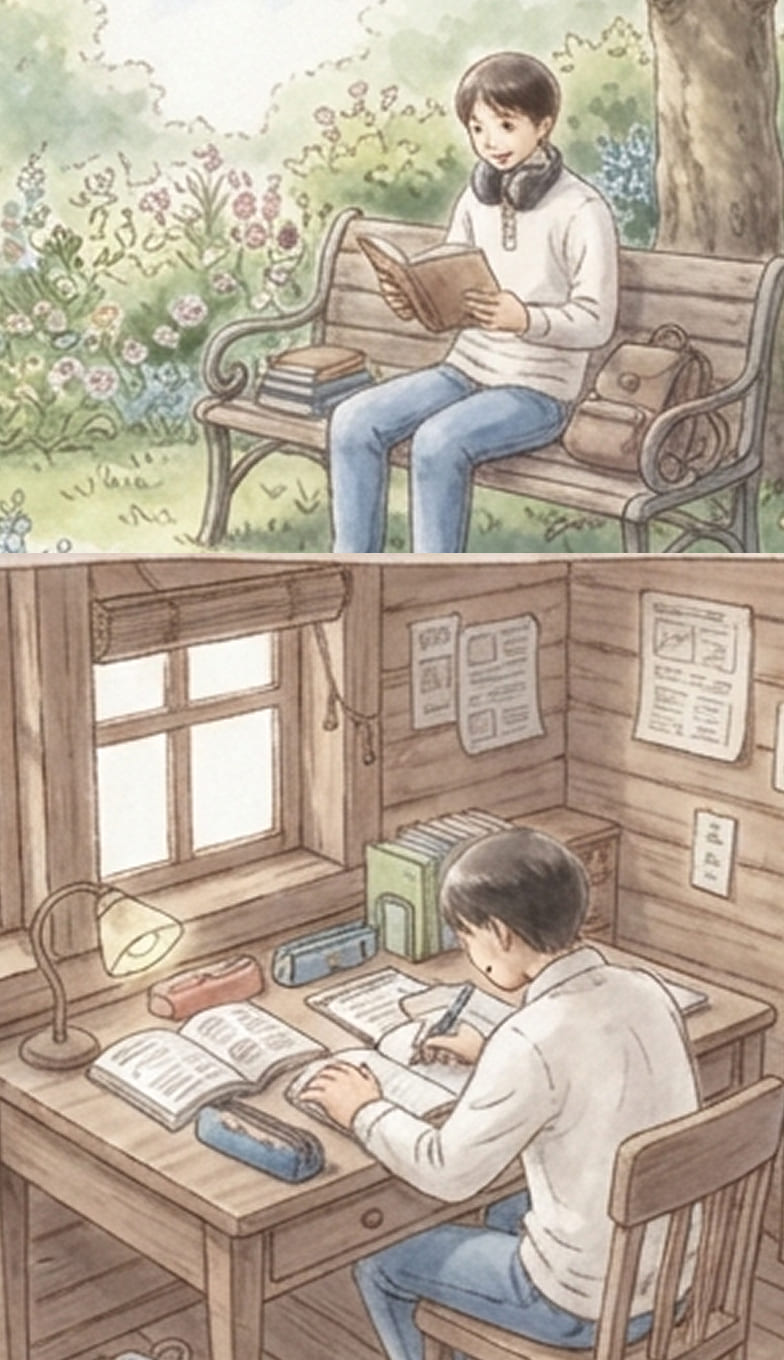
遍 biàn — Times, Start to Finish
遍 biàn, 次 cì, and 回 huí all translate as “times,” but they’re not fully interchangeable. 次 cì is the neutral, go-to choice for counting occurrences in general. 遍 biàn adds the sense of doing something completely, start to finish — reading a whole article, watching a whole movie. 回 huí feels a bit more spoken and casual, and often overlaps with 次 cì in everyday conversation.
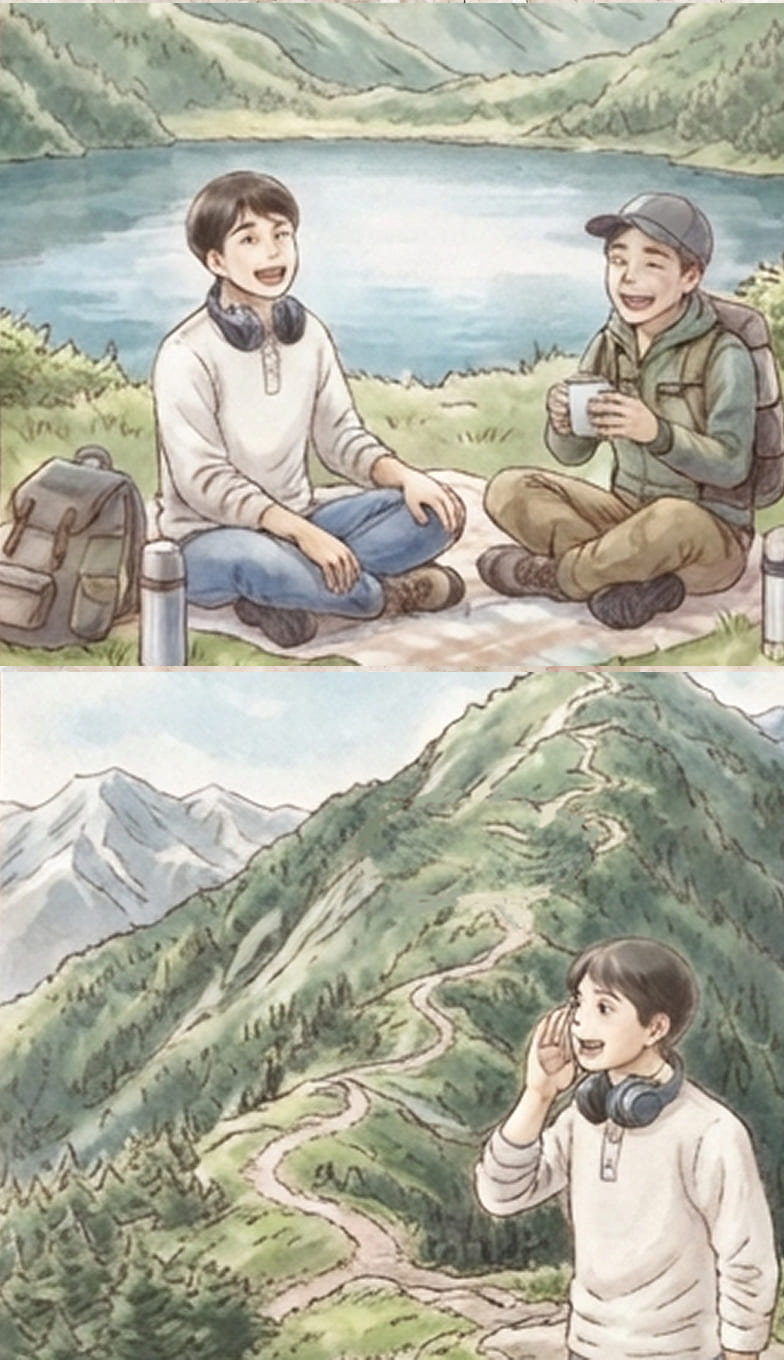
声 shēng — A Single Sound or Cry
3 Practice Quiz
Fill in the blank with the correct measure word.
我可以吃一 ___ 吗?
Can I try a bite?
这部电影我看了三 ___。
I’ve watched this movie three times.
他喝了一 ___ 咖啡。
He drank a mouthful of coffee.
我打了好几 ___ 电话都没人接。
I’ve called him several times but no one answered.
请把这个字读两 ___。
Please read this word twice.
宝宝哭了一 ___ 就睡着了。
The baby cried once and then fell asleep.
我们去过日本两 ___。
We’ve been to Japan twice.
先咬一小 ___。
Take a small bite first.
他叹了一 ___。
He sighed once.
这份合约我需要再读一 ___。
I need to read through this contract once more.
Enjoyed this post? Buy me a coffee so I can keep writing more of these ☕
Support OneDotDot Chinese