Skip to content

OneDotDot Chinese

Learn a little Chinese every day

Menu
  • Vocabulary
  • Grammar
  • Resources
  • Practice
  • Shop
Menu

Chinese Slang – 吃瓜 chīguā

Posted on August 9, 2026August 9, 2026 by tiffany

Table of Contents

Toggle
  • 動詞动词 V.
  • 例句例句
  • 對話对话
  • 辨析辨析
  • 快閃卡快闪卡
  • 跨語言跨语言

  • Text Display
  • ►Traditional
  • ►Simplified
  • Pinyin Display
  • ►Visible
  • ►Mouseover
  • ►Hidden
吃瓜

Chigua

吃瓜吃瓜 · Chīguā
In one line
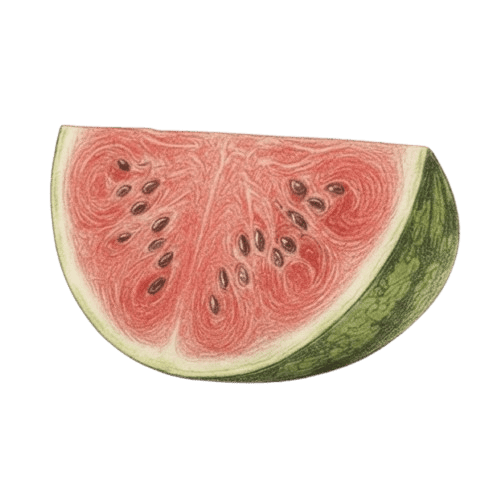
Literally “eating watermelon” — popular internet slang for being an onlooker or bystander watching juicy gossip unfold without getting involved.
Definition

動詞动词 V.

Literally meaning “to eat watermelon,” this widely used internet slang refers to being an innocent bystander or spectator who is watching public gossip, celebrity drama, or online controversies unfold.

When you are “eating watermelon,” you are just sitting back, enjoying the show, and keeping yourself updated on the latest drama without taking sides or getting personally involved.

Examples

例句例句

這zhè個ge八卦bāguà太tài精彩jīngcǎi了le,大家dàjiā都dōu搬bān板凳bǎndèng來lái吃瓜chīguā这zhè个ge八卦bāguà太tài精彩jīngcǎi了le,大家dàjiā都dōu搬bān板凳bǎndèng来lái吃瓜chīguā
This gossip is so juicy; everyone is pulling up a chair to watch the drama unfold.
我wǒ只是zhǐshì一個yíge路過lùguò吃瓜chīguā的de群眾qúnzhòng,不要búyào問wèn我wǒ支持誰zhīchí shuí我wǒ只是zhǐshì一个yíge路过lùguò吃瓜chīguā的de群众qúnzhòng,不要búyào问wèn我wǒ支持谁zhīchí shuí
I’m just a bystander watching the drama pass by; don’t ask me whose side I’m on.
你們nǐmen先xiān別急著bié jízhe站隊zhànduì,讓我們ràng wǒmen安靜ānjìng地de吃瓜chīguā你们nǐmen先xiān别急着bié jízhe站队zhànduì,让我们ràng wǒmen安静ānjìng地de吃瓜chīguā
Don’t rush to pick a side yet; let’s just quietly sit back and watch the drama.
Dialogue

對話对话

A
欸ěi,你nǐ看到kàndào網路上wǎngshàng那個nèige網紅wǎnghóng翻車fānchē的de新聞xīnwén了嗎le ma?欸ěi,你nǐ看到kàndào网络上wǎngshàng那个nèige网红wǎnghóng翻车fānchē的de新闻xīnwén了吗le ma?
Hey, did you see the news online about that influencer getting exposed?
B
看到了kàndào le看到了kàndào le!留言區liúyánqū超級chāojí精彩jīngcǎi,我wǒ昨天zuótiān晚上wǎnshàng都在dōu zài那裡nàlǐ吃瓜chīguā。看到了kàndào le看到了kàndào le!留言区liúyánqū超级chāojí精彩jīngcǎi,我wǒ昨天zuótiān晚上wǎnshàng都在dōu zài那里nàlǐ吃瓜chīguā。
Saw it, totally saw it! The comment section is super wild. I spent all last night just watching the drama there.
A
所以suǒyǐ你nǐ覺得juéde誰shéi說shuō的de才是cái shì真的zhēnde?所以suǒyǐ你nǐ觉得juéde谁shéi说shuō的de才是cái shì真的zhēnde?
So who do you think is actually telling the truth?
B
不知道bùzhīdào啊a,我wǒ只zhǐ是個shì ge吃瓜chīguā的de,看kàn戲xì就好了jiù hǎo le。不知道bùzhīdào啊a,我wǒ只zhǐ是个shì ge吃瓜chīguā的de,看kàn戏xì就好了jiù hǎo le。
No idea, I’m just an innocent bystander enjoying the show.
Don’t mix these up

辨析辨析

People often confuse different ways to talk about gossip and watching drama. Here is how they compare:

TermWhat it actually meansTone
吃瓜chīguā Being an onlooker or bystander watching gossip without getting involved Casual, humorous internet slang
湊熱鬧凑热闹còu rènnao Joining in on a lively activity, crowd, or commotion out of curiosity Colloquial, everyday expression
八卦bāguà Gossip or rumors about people’s private lives Everyday, common noun/verb
看戲看戏kàn xì Watching a situation unfold as a detached spectator Casual expression

The quick test: 吃瓜吃瓜 describes watching online drama from the sidelines, 湊熱鬧凑热闹 is joining a lively scene out of curiosity, 八卦八卦 is the gossip itself, and 看戲看戏 means watching the spectacle unfold.

Flashcards

快閃卡快闪卡

Tap a card to flip it.

吃瓜
chīguā
Eating watermelon — watching gossip as a bystander
八卦
bāguà
Gossip — rumors about personal lives
看戲看戏
kàn xì
Watching the play / drama — observing a spectacle safely
湊熱鬧凑热闹
còu rènnao
Joining the fun / commotion out of curiosity
Beyond Chinese

跨語言跨语言

The fun of watching drama and gossip from the sidelines exists in Korean and Japanese as well.

Korean · 구경하다
팝콘을 먹으며 구경하다 (popcorn-eul meogmyeo gungyeonghada)
남의 싸움이니까 팝콘 먹으면서 구경해야지.
It’s someone else’s fight, so I’ll just sit back with popcorn and watch.
Japanese · 高見の見物
高見の見物 (takami no kenbutsu)
他人のトラブルを高見の見物する。
Watching someone else’s trouble safely from the sidelines.
Etymology fact
The “瓜 guā” in “吃瓜 chīguā” actually refers to 瓜子 guāzi (watermelon seeds), not watermelon. The expression comes from the image of people sitting around eating 瓜子 while watching something interesting happen or listening to gossip. Over time, “吃瓜” came to mean watching other people’s drama or gossip without getting involved.
有瓜? yǒuguā? = Any juicy gossip?
瓜很大 guāhěndà = the story is really juicy
瓜來来了 guā lái le = Here comes some new gossip!
瓜吃完了 guā chīwánle = The drama is over

Do you like it? 🙂
當代中文当代中文 · Series

Contemporary Chinese

Volume Book 1 Volume Book 2 Coming Soon Book 3 Coming Soon Book 4
中文聽說讀寫中文听说读写 · Series

INTEGRATED CHINESE

Coming Soon Book 1 Coming Soon Book 2 Coming Soon Book 3 Coming Soon Book 4

OneDotDot Chinese

When a foreign friend says their Chinese is "yì diǎn diǎn" (just a little), this site exists to make that little bit grow, one day at a time.

  ABOUT

  About Me
  Special Thanks
  News
  My Students Only

  CONTACT

  LinkedIn
  Instagram
  Privacy Policy

© 2026 OneDotDot Chinese | Powered by Superbs Personal Blog theme