Skip to content

OneDotDot Chinese

Learn a little Chinese every day

Menu
  • Vocabulary
  • Grammar
  • Resources
  • Practice
  • Shop
Menu

To negate the previous statement – 不是 búshì

Posted on January 22, 2024September 15, 2026 by tiffany

Table of Contents

Toggle
  • 一 不是 + Statement
  • 二 With 是 and Without 是
  • 三 Common Mistakes
  • 四 Practice

  • Text Display
  • ►Traditional
  • ►Simplified
  • Pinyin Display
  • ►Visible
  • ►Mouseover
  • ►Hidden
Grammar Point

不是 búshì

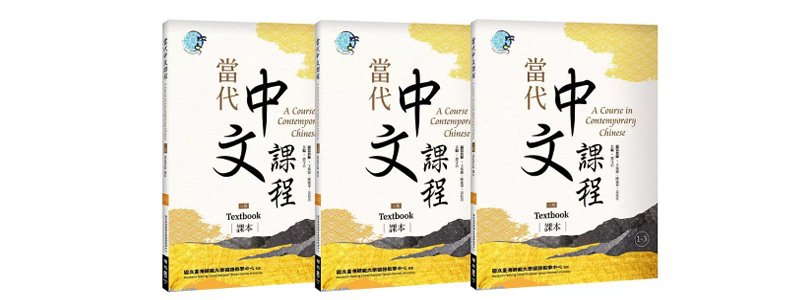
當代中文 Contemporary Chinese

不是 doesn’t just mean “is not” — it actually means “it is not true that.” You use it to push back on a whole statement that was just said, not just to say one thing isn’t another thing.

一 不是 + Statement

Put 不是 right in front of the statement you’re pushing back on.

不是 + Statement
電視diànshì电视diànshì說shuō说shuō今天jīntiān天氣tiānqì天气tiānqì很hěn冷lěng,可是kěshì我wǒ覺得juéde觉得juéde不是búshì很hěn冷lěng
The TV said today’s weather is very cold, but I don’t think that’s true.
這zhè個ge个ge菜cài應該yīnggāi应该yīnggāi用yòng烤的kǎode,不是búshì用yòng蒸的zhēngde
This dish should be baked, not steamed.
我wǒ不是búshì點diǎn点diǎn熱的rède热的rède咖啡kāfēi,是shì冰的bīngde咖啡kāfēi
I didn’t order hot coffee; I ordered iced coffee.
他tā不是búshì特別tèbié特别tèbié聰明cōngmíng聪明cōngming,但是dànshì很hěn努力nǔlì
He isn’t especially smart, but he works hard.
我wǒ不是búshì不bù想xiǎng吃chī,只是zhǐshì我wǒ太tài飽了bǎole饱了bǎole
It’s not that I don’t want to eat; I’m just too full.
我wǒ記得jìde记得jìde她tā不是búshì住zhù在zài河南Hénán,是shì住zhù在zài湖南Húnán
I remember she doesn’t live in Henan; she lives in Hunan.
我wǒ沒méi没méi買mǎi买mǎi那nà雙shuāng双shuāng鞋子xiézi,不是búshì因為yīnwèi因为yīnwèi我wǒ沒有méiyǒu没有méiyǒu錢qián钱qián
I didn’t buy those shoes — and that’s not because I don’t have the money.

二 With 是 and Without 是

不是 can be shortened to plain 不, and the meaning barely changes — both sound natural. Which one you pick is mostly just personal style: 不是 feels a touch more emphatic, and plain 不 feels a bit more like a simple, everyday statement.

A
你nǐ孩子háizi成績chéngjī成绩chéngjì這麼zhème这么zhème好hǎo,一定yídìng很hěn聰明cōngmíng聪明cōngming
Your kid’s grades are so good, they must be really smart.
B
他tā不是búshì特別tèbié特别tèbié聰明cōngmíng聪明cōngming,但是dànshì很hěn努力nǔlì
He isn’t especially smart, but he works hard.
A
你nǐ孩子háizi的de成績chéngjī成绩chéngjì怎麼樣zěnmeyàng怎么样zěnmeyàng?
How’s your kid doing in school?
B
他tā不bú特別tèbié特别tèbié聰明cōngmíng聪明cōngming,但是dànshì很hěn努力nǔlì
He isn’t especially smart, but he works hard.
Same meaning, same answer — B just chose a plainer way to say it the second time, since A’s question was a simple, neutral one instead of a bold claim to push back on.

三 Common Mistakes

❌ 我wǒ不bù想xiǎng吃chī,只是zhǐshì我wǒ太tài飽了bǎole饱了bǎole

✅ 我wǒ不是búshì不bù想xiǎng吃chī,只是zhǐshì我wǒ太tài飽了bǎole饱了bǎole

Without 不是, the sentence just says “I don’t want to eat” — which contradicts the “I’m too full” part. 不是 is what makes it mean “it’s not true that I don’t want to eat.”

❌ 這zhè個ge个ge菜cài應該yīnggāi应该yīnggāi用yòng烤的kǎode,用yòng蒸的zhēngde不是búshì

✅ 這zhè個ge个ge菜cài應該yīnggāi应该yīnggāi用yòng烤的kǎode,不是búshì用yòng蒸的zhēngde

不是 goes right in front of the statement it’s negating — not tacked on at the end of the sentence.

❌ 我wǒ不是búshì點diǎn点diǎn熱的rède热的rède咖啡kāfēi,冰的bīngde咖啡kāfēi

✅ 我wǒ不是búshì點diǎn点diǎn熱的rède热的rède咖啡kāfēi,是shì冰的bīngde咖啡kāfēi

When you’re contrasting two things (not X, but Y), the second half needs its own 是 — you can’t just leave it dangling without a verb.

四 Practice

Pick the correctly ordered sentence.

Question 1 of 10

“It’s not that I don’t like you, I’m just shy.”

Without 不是, this just says “I don’t like you” — the opposite of what’s meant. 不是 is what flips it to “it’s not true that I don’t like you.”

“This bag should be blue, not red.”

不是 goes right before the thing it’s negating — not tacked on at the end.

“I didn’t say that on purpose, I just misspoke.”

Without 不是, this says “I said it on purpose” — the opposite meaning. 不是 flips it to “it’s not true that I said it on purpose.”

“He’s not especially tall, but he plays basketball well.”

不是 goes right before the statement it negates, not after it.

“I didn’t order the fish, I ordered the chicken.”

The second half of a “not X, but Y” contrast needs its own 是 — it can’t just be left bare.

“I remember he doesn’t live in Taipei, he lives in Taichung.”

不是 goes right before the statement it negates, not after it.

“It’s not that I don’t understand, I just don’t agree.”

Without 不是, this just says “I don’t understand” — the wrong meaning entirely. 不是 flips it to “it’s not true that I don’t understand.”

“The problem isn’t the price, it’s the quality.”

The second half of a “not X, but Y” contrast needs its own 是 — it can’t just be left bare.

“It’s not because I’m lazy, I just don’t have time.”

不是 goes right before the statement it negates, not after it.

“It’s not that the movie is bad, I just wasn’t in the mood.”

不是 goes right before the whole statement it’s negating, not after it.

當代中文当代中文 · Series

Contemporary Chinese

Volume Book 1 Volume Book 2 Coming Soon Book 3 Coming Soon Book 4
中文聽說讀寫中文听说读写 · Series

INTEGRATED CHINESE

Coming Soon Book 1 Coming Soon Book 2 Coming Soon Book 3 Coming Soon Book 4

OneDotDot Chinese

When a foreign friend says their Chinese is "yì diǎn diǎn" (just a little), this site exists to make that little bit grow, one day at a time.

  ABOUT

  About Me
  Special Thanks
  News
  My Students Only

  CONTACT

  LinkedIn
  Instagram
  Privacy Policy

© 2026 OneDotDot Chinese | Powered by Superbs Personal Blog theme