5 Measure Words — 条 tiáo, 位 wèi, 间 jiān, 名 míng, 包 bāo
Five more common measure words: for long thin objects, people (two different ways), rooms, and packs or bags of something.
The pattern is always Number + Measure Word + Noun. Two of these — 位 wèi and 名 míng — both count people, but pick a different register depending on how formal or polite you want to sound.
1 Quick Reference
A cheat sheet before diving into examples.
| Word | Used For | Example Nouns |
|---|---|---|
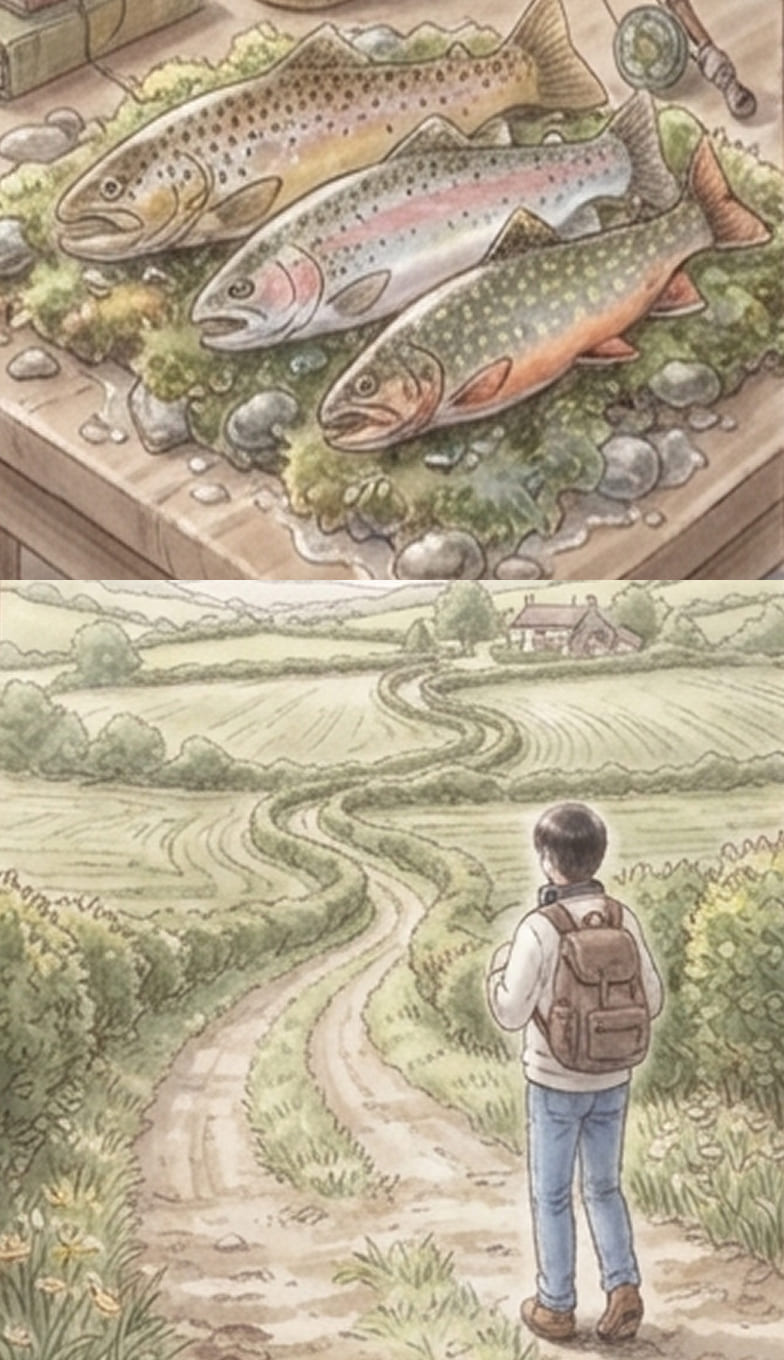
| 条 tiáo | Long, thin objects | fish, snakes, roads, rivers, pants, ties, dogs |
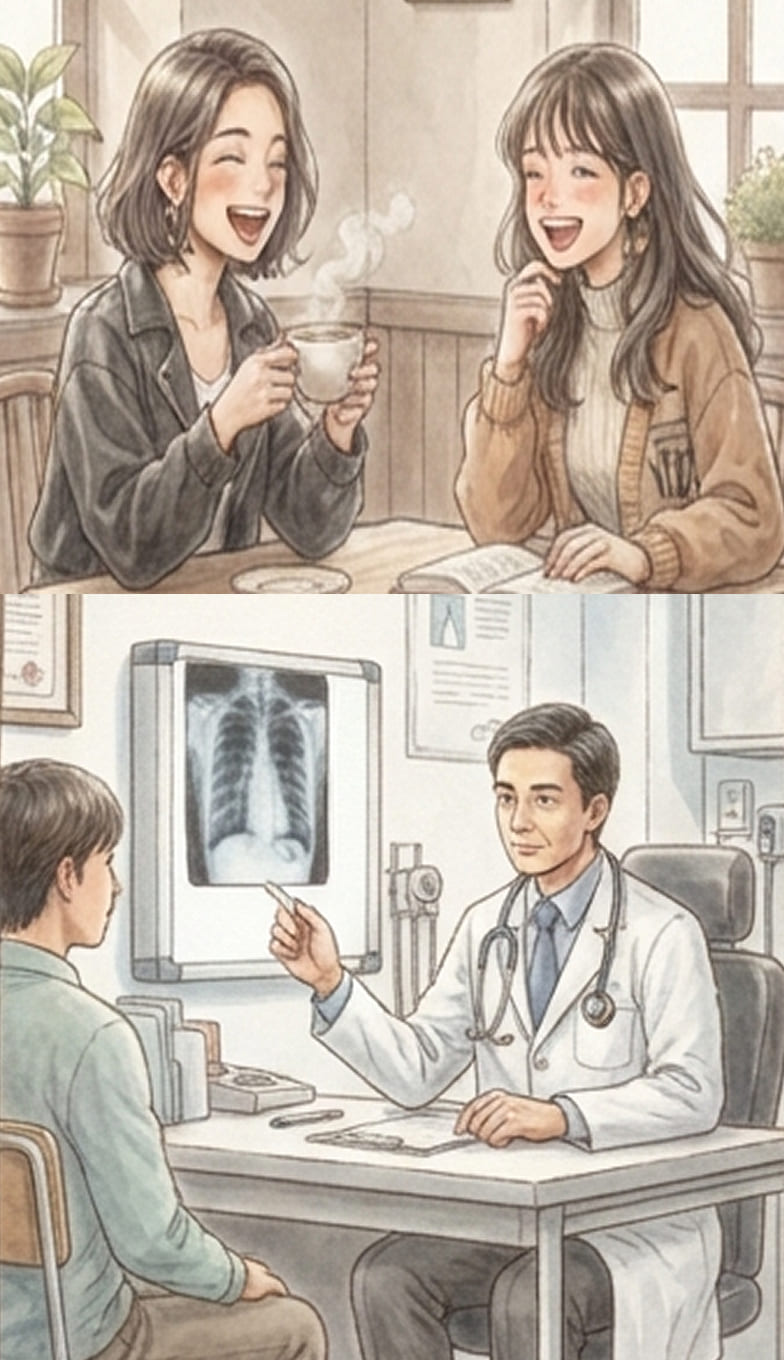
| 位 wèi | People (polite, respectful) | guests, teachers, customers |
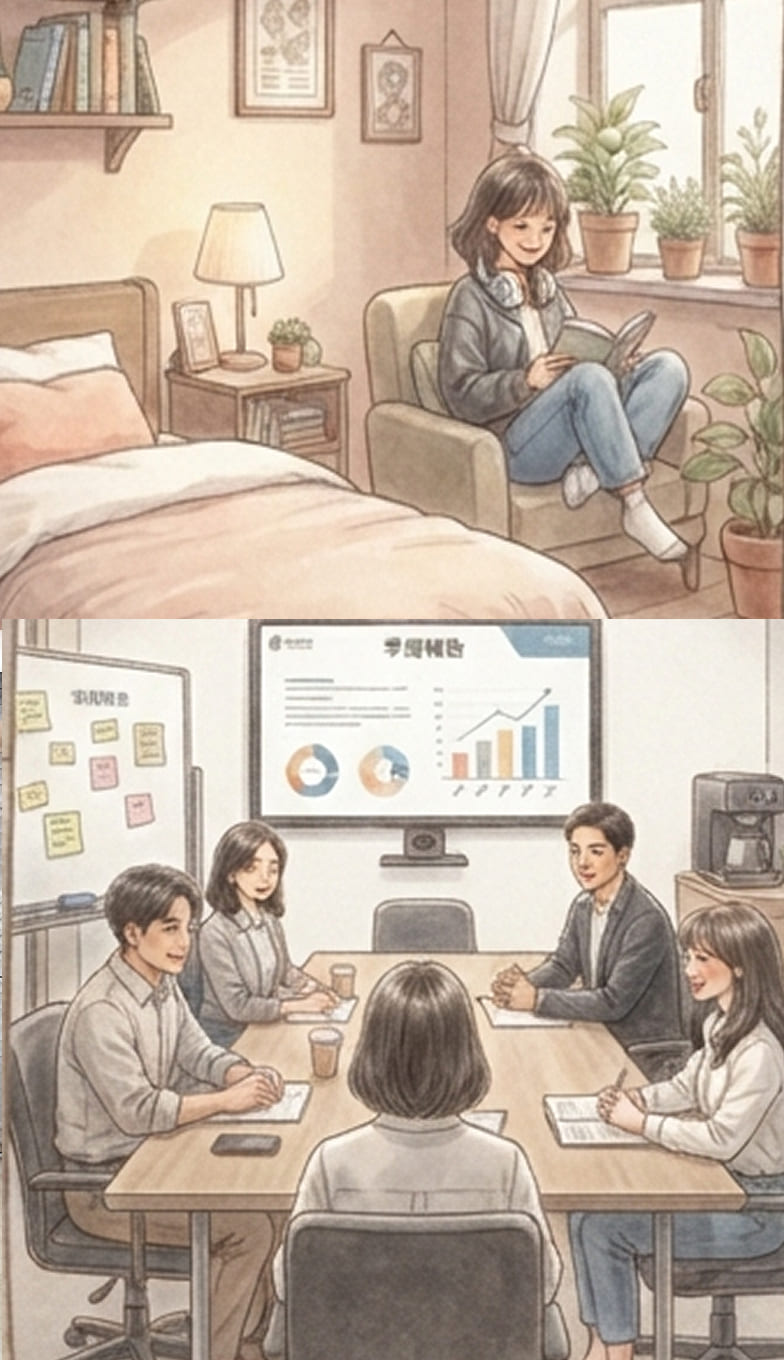
| 间 jiān | Rooms | bedrooms, offices, classrooms |
| 名 míng | People (formal count or rank) | students, staff, competition placings |
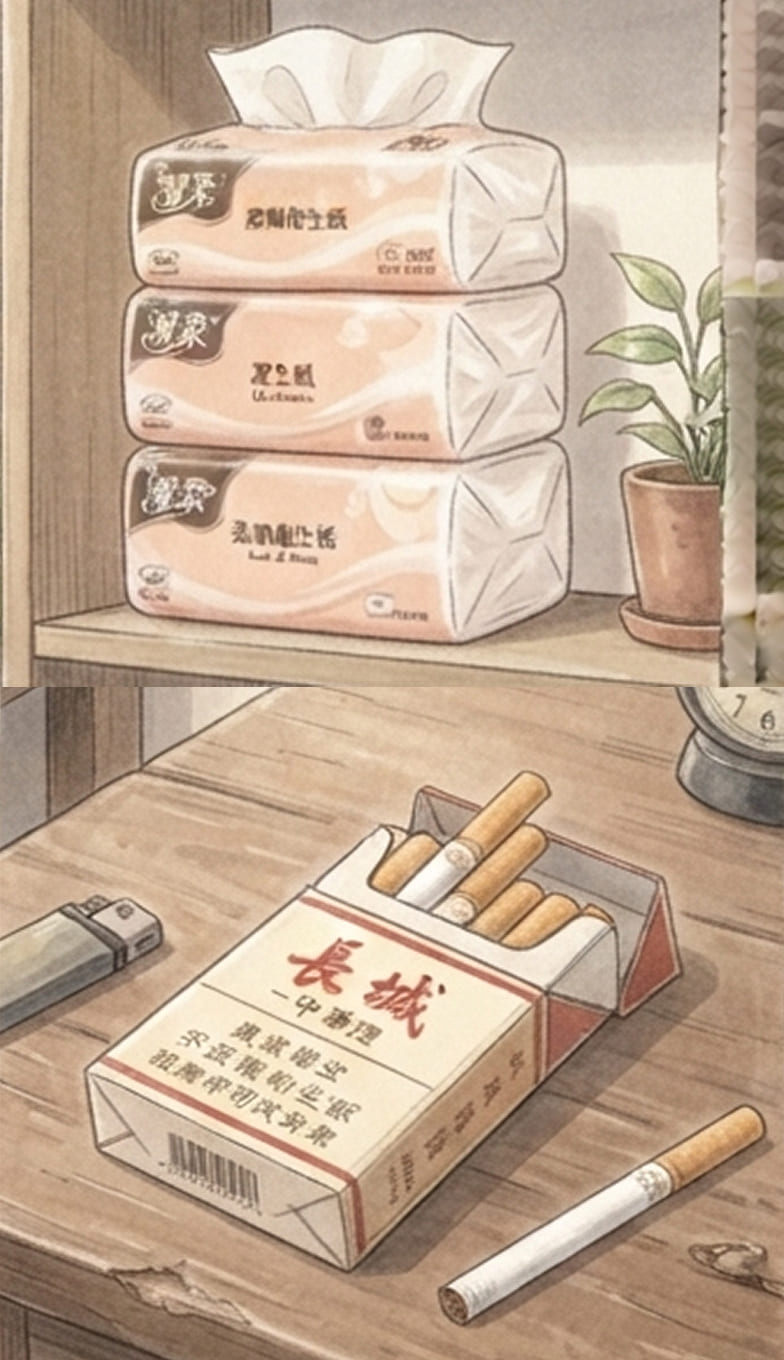
| 包 bāo | Packs or bags | snacks, cigarettes, tissues |
2 Usage
条 tiáo — Long, Thin Objects
位 wèi — People (Polite)
间 jiān — Rooms
名 míng — People (Formal Count or Rank)
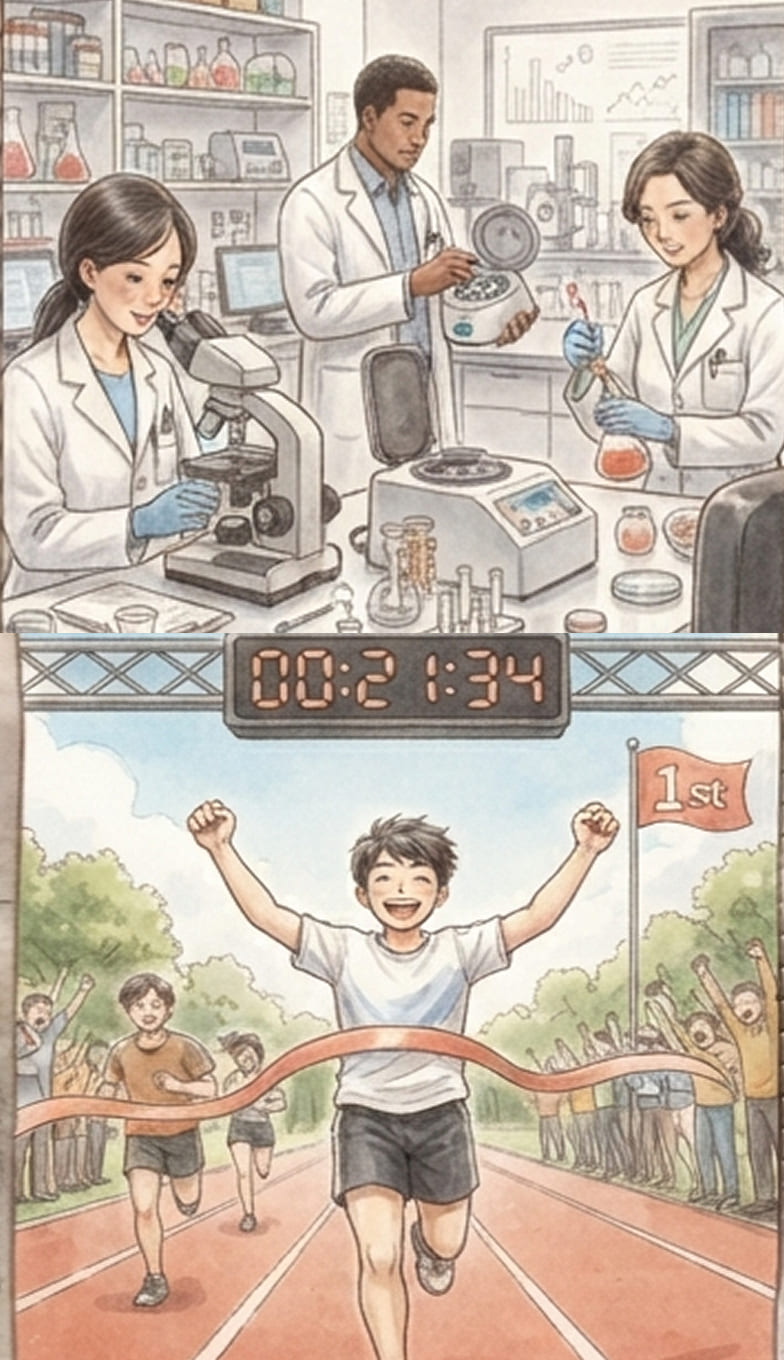
Chinese has three common ways to count people, and they sit at different levels of formality. 个 gè is the neutral, everyday default. 位 wèi adds politeness and respect — use it for guests, customers, or anyone you want to address courteously. 名 míng is formal and neutral rather than polite — it shows up in official counts, reports, and rankings.
包 bāo — Packs or Bags
3 Practice Quiz
Fill in the blank with the correct measure word.
路上有一 ___ 蛇。
There’s a snake on the road.
这 ___ 先生,请这边走。
Please, this way, sir.
这间公寓有两 ___ 卧室。
This apartment has two bedrooms.
她得了比赛第二 ___。
She got second place in the competition.
我想买一 ___ 洋芋片。
I want to buy a bag of chips.
这 ___ 领带很漂亮。
This tie is very beautiful.
这间教室有十 ___ 学生。
There are ten students in this classroom.
他给了我一 ___ 卫生纸。
He gave me a pack of tissues.
这 ___ 裤子太长了。
These pants are too long.
我们团队来了一 ___ 新员工。
A new employee joined our team.
Enjoyed this post? Buy me a coffee so I can keep writing more of these ☕
Support OneDotDot Chinese