Chinese Festivals · 中国节日
Ghost Festival
中元节 zhōngyuánjié
中元节 zhōngyuánjié falls on the 15th day of the seventh lunar month. It’s the day the gates of the underworld are said to swing open, letting spirits wander freely among the living.
What is 中元节 ?
In English it’s usually called the Ghost Festival or the Hungry Ghost Festival. The name changes depending on who’s celebrating. Taoists call it 中元节 zhōngyuánjié, tied to a heavenly official who pardons the dead on this day. Buddhists call it 盂兰盆节 Yúlánpén jié, the Ullambana Festival. It’s rooted in a story about a monk saving his mother from suffering in the afterlife. Both traditions landed on the same date, and folk practice today blends them freely.
鬼月 — Ghost Month
Unlike most festivals on this site, 中元节 zhōngyuánjié isn’t really about one day. In Taiwan especially, the entire seventh lunar month is treated as 鬼月 guǐyuè, “Ghost Month.” The gates of the underworld are believed to open on the first day. They close again on the last, giving spirits a full month of freedom before returning.
Among those spirits are 饿鬼 èguǐ, “hungry ghosts.” These are spirits with no living descendants to look after them, wandering hungry and unattended. The 15th is the peak of the month. That’s when families and communities make the biggest effort to feed and appease them.
Feeding the wandering spirits
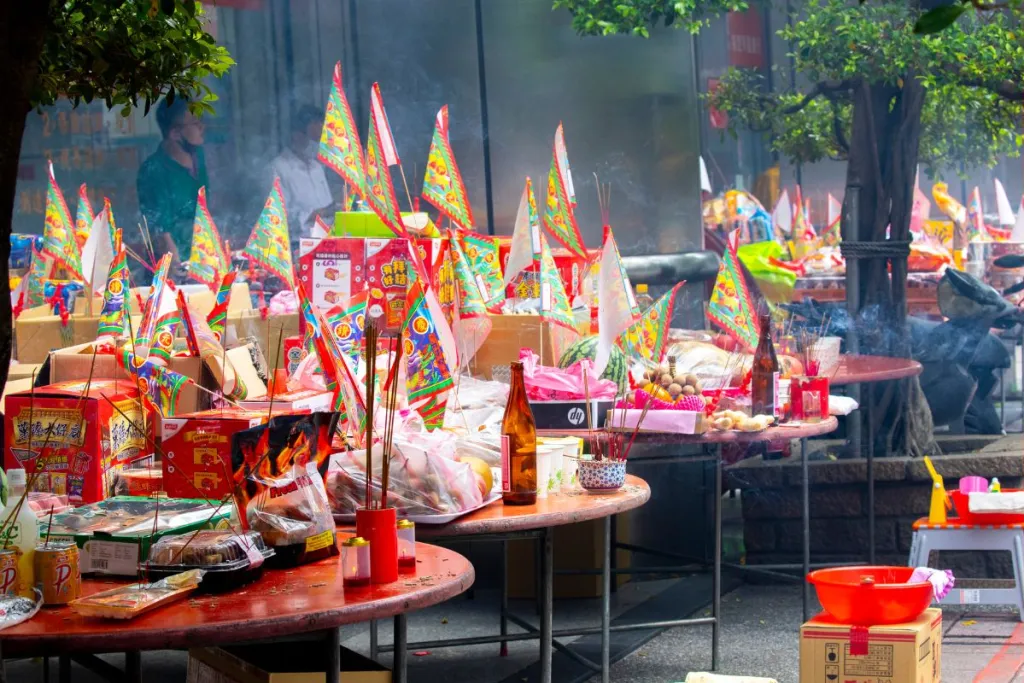
普渡 pǔdù
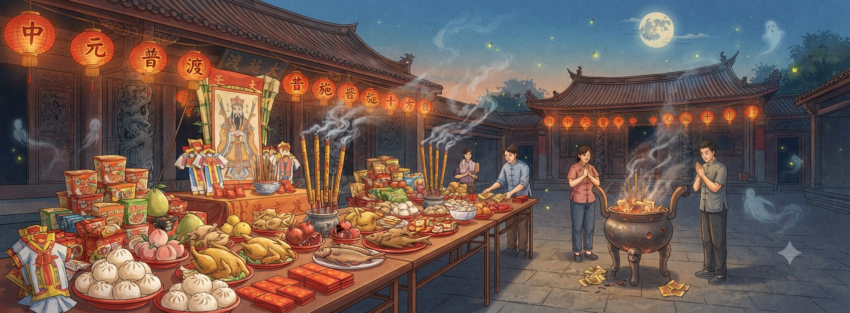
A communal offering ritual. Tables are set up outside homes, temples, and businesses, piled with food, incense, and drinks. It’s for any spirit passing by, not just one’s own ancestors.
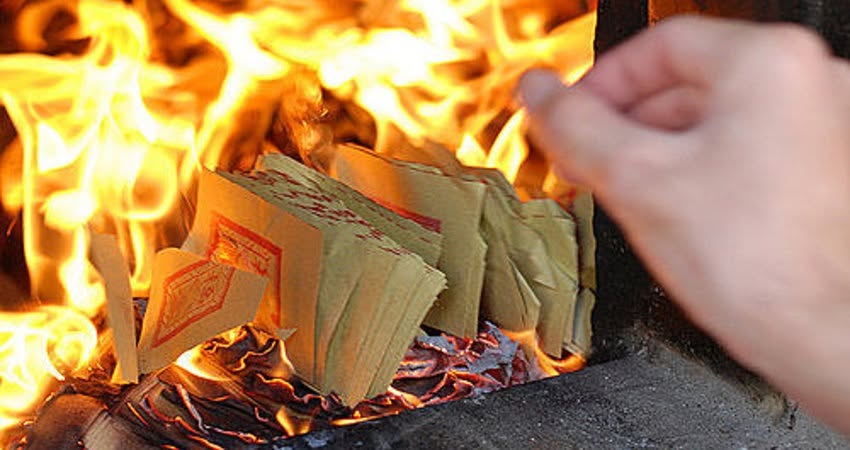
烧纸钱 shāo zhǐqián
Burning spirit money and joss paper, so wandering ghosts have something to spend in the afterlife. It’s the same idea seen at 清明节 qīngmíngjié, just aimed at strangers instead of family.
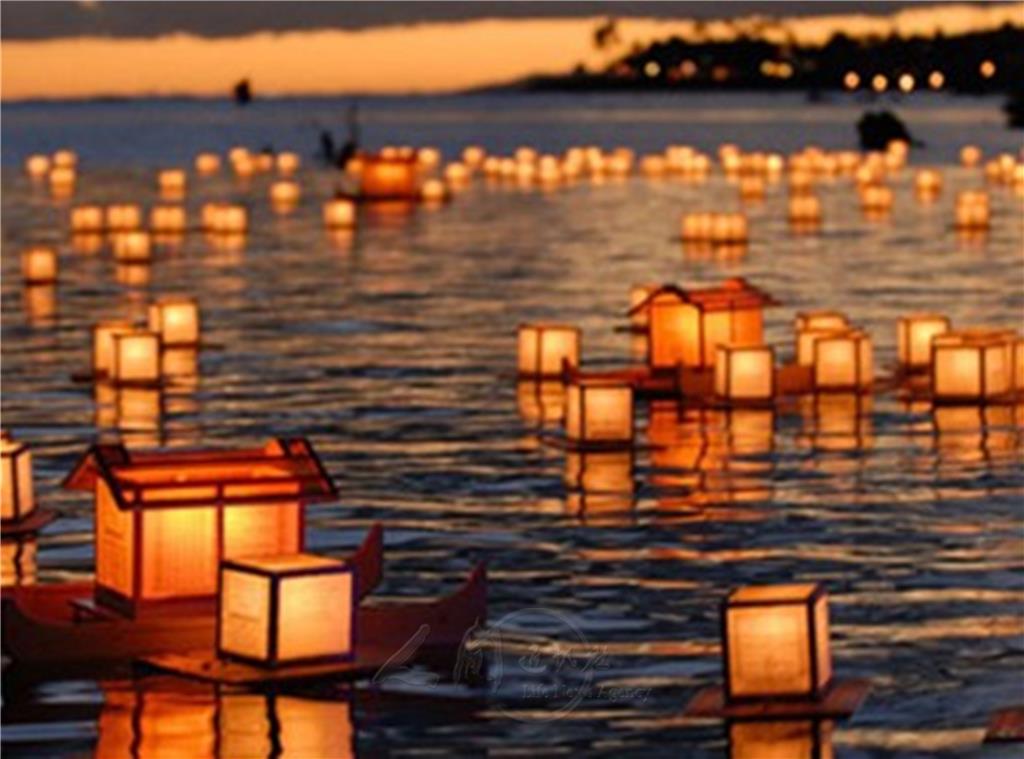
放水灯 fàng shuǐdēng
Floating lanterns released onto rivers and harbors at night, lighting a path for lost or drowned souls. They guide those souls back to the ritual grounds to receive their share of the offerings.
A small, very Taiwanese detail: some families set out a basin of water and a fresh towel alongside the food offerings. Spirits should be able to wash up before eating — the same basic hospitality you’d offer any guest, ghost or otherwise.
If you work in a Taiwanese office: it’s common for an entire office building to gather on the ground floor at a set time. Together, everyone holds 普渡 pǔdù. If you’re a manager posted to Taiwan from abroad, choosing not to join is entirely your religious freedom. Just know that if anything goes wrong at the company afterward, some coworkers may quietly blame it on you anyway.
基隆中元祭 Jīlóng zhōngyuánjì
Every year, the port city of Keelung holds one of Taiwan’s largest and most elaborate 中元节 zhōngyuánjié celebrations. It’s recognized as an important piece of intangible cultural heritage. Rotating clans take turns hosting the main rituals each year. The festival closes with a large water lantern parade through the streets down to the harbor, where the lanterns are set alight and floated out to sea.
Taboos 禁忌 jìnjì
No other festival on the calendar comes with this many superstitions. Some are taken half-seriously; others still shape real decisions.
Water spirits are said to be looking for a substitute — 抓交替 zhuā jiāotì. They pull someone under so they can finally move on and reincarnate.
Clothes left out after dark are thought to attract spirits, who might try them on. It’s an old reason many households bring washing in before sunset all month.
A quiet, old-fashioned belief that whistling at night calls out to wandering spirits, inviting them closer than you’d like.
Folk belief holds that everyone carries small flames of protective energy on each shoulder and on the head. Spinning around too fast risks letting one flicker out.
鬼月 guǐyuè is seen as an unlucky month. In a country that takes feng shui and auspicious timing seriously, it’s often considered a bad idea to move house or get married during it. But if you don’t believe in any of this, you can actually choose to do both during Ghost Month — because it works out much cheaper!!
Food, incense, and spirit money left on sidewalks during 普渡 pǔdù belong to someone. Just not anyone you can see.
Believe it or not, this one has a real pattern behind it: drowning rates at the beach really do tend to rise in July. Older accounts from survivors describe feeling something grab their leg underwater. Scientists offer a more down-to-earth explanation. Ocean currents around China get rougher this month, throwing up more rip currents and whirlpools. That’s likely the real root of the superstition.
Similar festivals, different moods
The same Buddhist Ullambana root, but a warmer mood. Obon centers on welcoming ancestral spirits home for a visit. Folk dances and lanterns guide them back at the end.
Also from the Ullambana story, but reframed as a festival honoring mothers. People wear a rose on their chest — red if their mother is living, white if she has passed.

