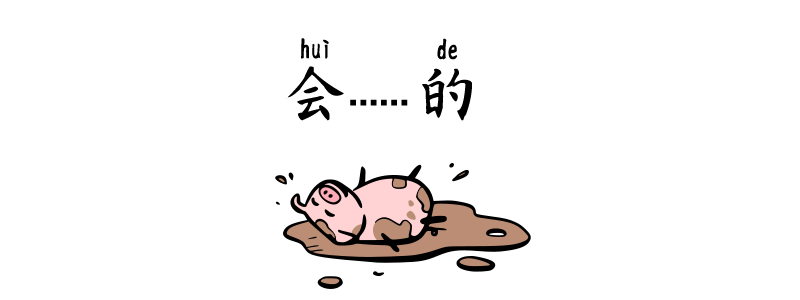
Grammar Point:
会 huì + verb + 的 de is used to reassure someone or give confidence that something will happen. The 的 de at the end adds a feeling of certainty and assurance.
Structure
S + 会 huì + V + 的 de
別擔心,他會來的别担心,他会来的
Don’t worry, he will come.
你放心,我會幫你的你放心,我会帮你的
Don’t worry, I’ll help you.
狗狗會好起來的狗狗会好起来的
The dog will get better.
你一定會找到適合你的工作的你一定会找到适合你的工作的
You will definitely find a job that suits you.
A: 我怕考不好我怕考不好
I’m afraid I won’t do well on the test.
B: 你準備得很好,你會考好的你准备得很好,你会考好的
You prepared well. You’ll do well.
A: 你明天會忘記嗎?你明天会忘记吗?
Will you forget tomorrow?
B: 別擔心,我會記得的别担心,我会记得的
Don’t worry. I’ll remember.
A:我怕我的中文永遠學不好我怕我的中文永远学不好
I’m afraid I’ll never learn Chinese well.
B:不會啦,你會進步的不会啦,你会进步的
No, you’ll improve.
会 huì vs 会 huì…的 de
他會來他会来
He will come.
(Just a prediction / statement)
他會來的他会来的
He will come, don’t worry.
(reassurance / will definitely / don’t worry, it will happen ❤️)

